
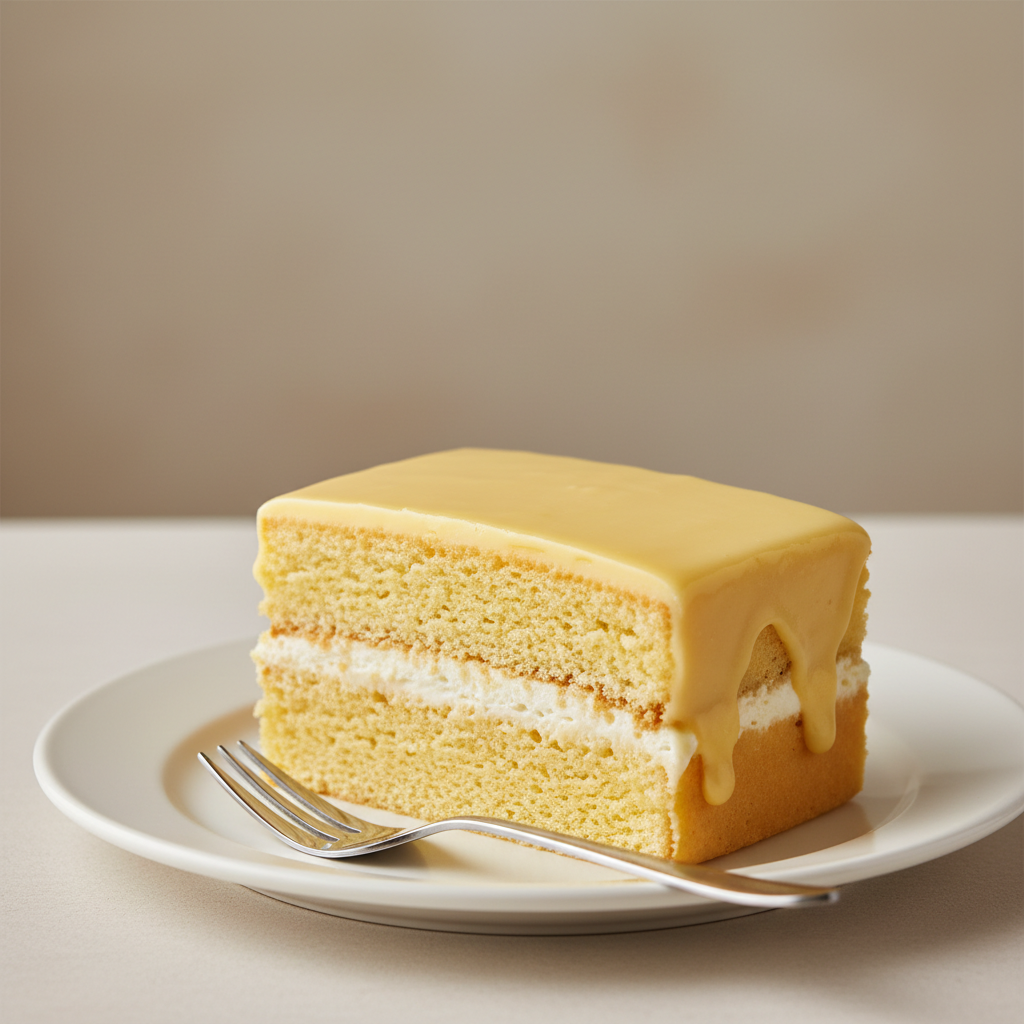
Explore the unique differences between Nigerian butter icing and American buttercream, focusing on texture, ingredients, and why it is perfect for our climate.
If you have ever attended a celebration in Lagos, you probably know the specific joy of slicing into a cake covered in that signature smooth, slightly firm, and incredibly sweet frosting. Many people abroad often mistake this for standard American buttercream, but once they take a bite, they realise something is fundamentally different. There is a texture and a flavour profile that feels like home, often associated with childhood parties and Sunday treats. This unique creation is what we know as Nigerian butter icing, and its distinction from the Western version is a subject worth exploring for any serious cake enthusiast.
The Chemistry of Fat and Sugar
At its most basic level, American buttercream is a mixture of butter, powdered sugar, a splash of milk or cream, and vanilla. It relies on the butter being beaten until it is fluffy, which incorporates air and creates a light, creamy texture. Nigerian butter icing often follows a similar foundation but deviates significantly in the type of fat used and the method of mixing. In many Nigerian home kitchens and local bakeries, the emphasis is on achieving a shelf-stable frosting that can hold up to the heat without melting into a puddle. This often means using a higher ratio of shortening or margarine, which results in a tighter, more dense consistency than the whipped, buttery cloud of American frosting.
Why Texture Matters
Texture is the primary indicator that you are eating Nigerian butter icing rather than a typical American recipe. Because our tropical climate demands a robust structure, the frosting is usually beaten for a much longer time to ensure the sugar is fully incorporated into the fat base. This process creates a texture that is exceptionally smooth and almost silky. While American buttercream can sometimes feel gritty if the sugar is not dissolved perfectly, the Nigerian approach prioritises a seamless melt on the tongue. It has a slight pull to it, which provides a satisfying mouthfeel that pairs perfectly with dense, flavourful sponges like those found in our Cake flavours selection.
The Role of Flavourings
When you taste American buttercream, you are often met with a very direct, one-note sugar experience supported by high-quality vanilla extract. Nigerian butter icing tends to lean into a more complex flavour profile. It is common to incorporate evaporated milk or condensed milk into the mixture, which adds a creamy, dairy-forward note that cuts through the intense sweetness of the icing sugar. You might also notice a subtle hint of lemon or orange essence, which is a classic addition in Nigerian baking to brighten the heavy fats. This nuance is why a slice of cake at Birthday cakes celebrations in Nigeria feels like a distinct culinary memory.
The Influence of Climate
Baking is a science dictated by geography. In cooler climates, butter stays solid, making it the perfect ingredient for frostings that require a delicate finish. In Nigeria, we have to fight the heat. Using pure butter can be risky because it softens far too quickly in ambient temperatures. This is why many traditional recipes for Nigerian butter icing incorporate margarine or vegetable shortening. These fats have a higher melting point, allowing the decorative piping on a cake to hold its shape during an outdoor event. This practical necessity has become a signature part of our baking identity, defining how we think about cake decoration.
Achieving the Perfect Consistency
If you are trying to replicate this style at home, the secret is patience. You must cream your fats and sugar until the mixture is nearly white. If you stop too early, you will have a yellow, oily mess. Many bakers find that adding a small amount of liquid, like evaporated milk, during the final stages of beating helps to achieve that signature firm yet creamy finish. It is a process that requires attention to detail. Once you reach that point where the icing can hold a sharp edge on a cake board while remaining soft enough to eat, you have mastered the essential craft of this traditional frosting.
Evolution of Modern Nigerian Baking
While the traditional recipe remains a staple for many, modern baking in Nigeria is evolving. We are seeing a beautiful blend where bakers use the traditional techniques for Nigerian butter icing alongside newer methods like Swiss Meringue buttercream. This allows for more variety in flavour and sweetness levels. However, the nostalgic pull of the original recipe remains strong. It is a taste that defines our celebrations, and no matter how many international trends we adopt, there will always be a place for that nostalgic, sweet, and perfectly stable icing on our dessert tables.
FAQ
Is Nigerian butter icing the same as margarine icing?
Often they are the same, as many traditional Nigerian recipes rely on high-quality margarine to provide stability and a specific mouthfeel that withstands warmer temperatures.
Can I use pure butter to make it?
You can use pure butter, but the icing will be much softer and more prone to melting, so it is better suited for cakes that will be kept in a climate controlled environment.
Why does it taste different than American frosting?
The main differences come from the use of evaporated or condensed milk for richness and the specific technique of beating the fat and sugar for an extended period to achieve a stable texture.
Does it hold up well for outdoor parties?
Yes, because of the fat composition, it is designed to hold its shape for several hours even in warm weather, making it the ideal choice for outdoor celebrations.
If you are craving the authentic taste of a beautifully frosted cake, we are always here to help. You can easily browse our website to find the perfect treat for your next celebration and have a delicious creation delivered straight to your door.