
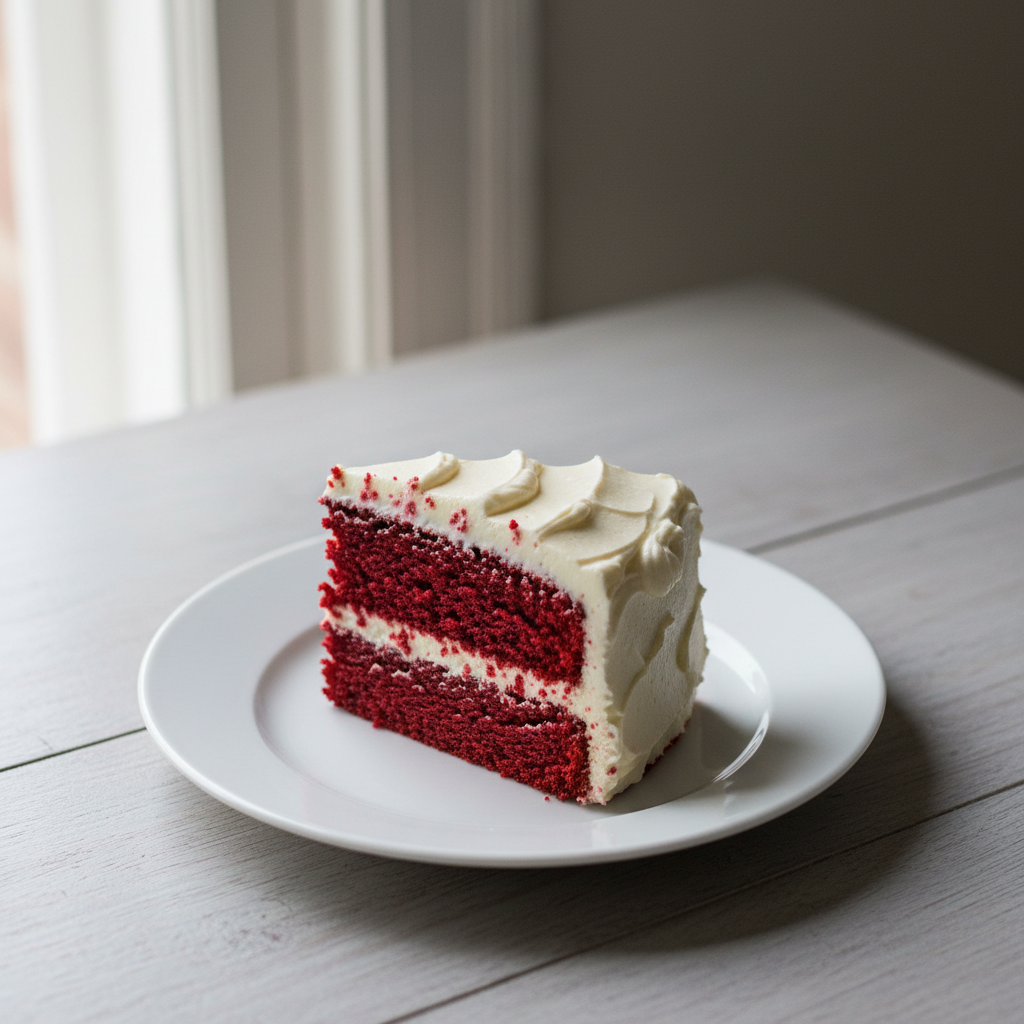
Discover the fascinating red velvet cake history, from chemical reactions in the Victorian era to the clever marketing that made it a global icon of indulgence.
There is something undeniably magnetic about the sight of a vibrant red velvet cake sitting on a table. It is not just the deep crimson hue that commands attention, but the promise of a soft, velvety crumb paired with that signature tangy cream cheese frosting. Whether you are searching for Birthday cakes for a celebration or simply exploring different Cake flavours, this classic treat remains a global favourite. Yet, beneath the layers of cocoa and buttermilk, there lies a surprisingly complex past that involves chemistry, ration books, and a clever marketing scheme that cemented its place in culinary lore.
The Chemistry of Early Red Velvet
To understand the origin of this dessert, we must look at the science of baking long before modern food dyes were common. In the nineteenth century, cocoa was processed in a way that left it much more acidic than the dutched cocoa we use today. When this acidic cocoa was combined with baking soda and buttermilk, the reaction created a reddish colour in the sponge. It was not the neon red we recognise now, but rather a rusty, mahogany tone. Bakers soon realised that this chemical interaction also resulted in a finer texture, which is where the term velvet originates.
Rationing and the Depression Era
The reputation of the cake took a significant turn during the Great Depression and World War Two. With resources being tight and supplies like butter and sugar being rationed, bakers had to find creative ways to make impressive desserts. Some historians point to a recipe being published on the back of a box of food colouring during this time as a way to bolster sales. By using a small amount of cocoa to satisfy the chocolate craving while relying on the red tint to make the cake appear more decadent than it actually was, the recipe became a staple of lean times.
The Waldorf Astoria Myth
One of the most persistent stories regarding red velvet cake history involves the famous Waldorf Astoria hotel in New York. According to the legend, a woman dining at the hotel in the twenties was so enamoured with the cake she asked for the recipe. The hotel reportedly obliged, but later sent her a bill for the recipe itself. Feeling cheated, she purportedly shared the recipe with everyone she knew as an act of petty revenge. While it makes for a wonderful story, there is no evidence to support that the Waldorf Astoria ever served this specific dessert during that era, illustrating how the history of popular foods is often tangled with urban folklore.
The Advent of Red Dye
The mid-twentieth century brought a dramatic shift in how we perceive the appearance of this cake. As synthetic red dyes became more accessible and safer for commercial use, manufacturers leaned heavily into the visual appeal of the sponge. By the fifties and sixties, the cake had moved away from its natural reaction roots and into a more deliberate, artificial aesthetic. This was the era where red velvet became a standard feature on menus across the American South, eventually spreading across the globe as a symbol of comfort and indulgence.
Why We Still Love It Today
It is fair to ask why we remain so obsessed with a cake that technically relies on very little cocoa for its flavour. The answer lies in the unique balance of ingredients. The acidic buttermilk creates a tender crumb, while the hint of cocoa provides just enough complexity to contrast with the sweetness of the icing. When you compare it to other Cake flavours, red velvet stands out because it provides a bridge between plain vanilla and intense chocolate. It is a sensory experience that feels just as much about the texture and the frosting as it is about the base.
Bringing Tradition Home
While the lore of the red velvet cake history is fascinating, the best way to understand the appeal is to eat it. Whether you are curious about the evolution of recipes or just want to enjoy a slice with friends, the charm of this cake is timeless. We see people choosing it for weddings and big milestones because it carries a sense of nostalgia that few other desserts can replicate. It is a testament to how humble ingredients and a bit of clever marketing can turn a simple tea cake into a worldwide phenomenon.
FAQ
Question?
Is red velvet cake just chocolate cake with dye? While it contains a small amount of cocoa, it is technically a buttermilk sponge that relies on the chemical reaction between acidity and cocoa for its texture and a distinct, mild chocolate profile.
Question?
Why is it called velvet? The name refers to the exceptionally soft and fine crumb that results from the acidic reaction between the buttermilk, vinegar, and baking soda.
Question?
Does real red velvet cake need food colouring? Modern recipes almost always use red food colouring to achieve the vibrant appearance that people expect, as the natural chemical reaction only produces a muted, brownish-red tone.
Question?
What is the best frosting for this cake? Cream cheese frosting is the traditional choice because its tangy flavour profile perfectly balances the sweetness of the sponge and the subtle cocoa notes.
If you are feeling inspired by this sweet history and would like to experience a perfectly crafted version for yourself, you can easily order a fresh red velvet cake from us at WaraCake to share at your next gathering.