
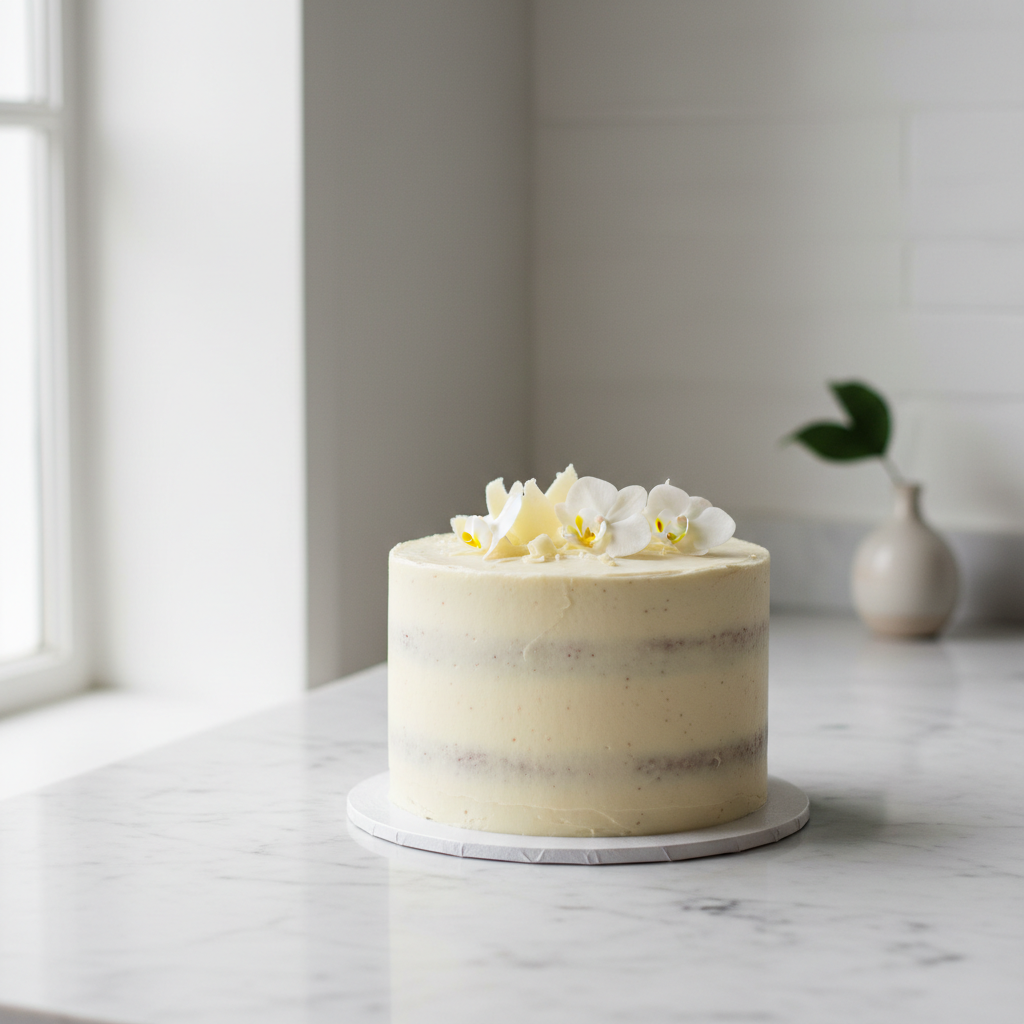
Learn how to keep your icing firm and beautiful even in the humid Lagos weather. Discover expert tips for creating a stable buttercream tropical heat.
The sun in Lagos does not play when it comes to cakes. You spend hours meticulously whipping your icing, only to watch it surrender to the humidity the moment you step outside. It is a heartbreak every baker knows well. Whether you are a professional crafting elaborate designs or a home enthusiast trying to make a simple treat, mastering the art of a stable buttercream tropical heat is the difference between a celebration and a puddle. Understanding the science of fat, sugar, and temperature is the key to winning the battle against our beautiful but relentless sun.
The Chemistry of Heat and Fat
Buttercream is essentially an emulsion of fat and sugar. When the temperature rises, the butter fat begins to soften, loses its structure, and eventually turns to liquid. In a tropical climate like ours, the room temperature often exceeds the melting point of butter. This is why standard recipes that work perfectly in cooler climates fail here. To create a stable buttercream tropical heat, you must look for ingredients with higher melting points. Using a mix of high quality vegetable shortening and butter can provide a sturdier base that does not collapse at the first sign of warmth.
Choosing the Right Ingredients
Not all fats are created equal. If you are determined to use pure butter, you must be prepared to refrigerate your work constantly. However, for most events, that is simply not practical. Many bakers in Nigeria prefer to use a combination of premium margarine and butter. The margarine has a higher melting point, which gives the final product more resilience. When selecting your ingredients, look for fats that are specifically formulated for baking. You should also ensure your powdered sugar is finely milled to prevent grittiness, which can happen if the icing starts to separate under heat stress. If you are curious about different profiles for your bakes, you can explore our range of Cake flavours to see how different combinations hold up.
The Importance of Proper Mixing
How you mix your buttercream has a massive impact on its stability. Over-beating incorporates excess air, creating tiny bubbles that can weaken the structure of the icing. When these bubbles warm up, they expand, causing the frosting to become grainy or even run off the cake. Start by mixing your fat until it is smooth, then add your sugar gradually. You want a creamy, dense texture rather than a fluffy, marshmallow consistency. A denser frosting is much more resilient in the heat. Patience is your best friend here. Mix on a low speed to ensure the components are fully incorporated without introducing too much air.
Temperature Control in the Kitchen
Your kitchen environment plays a bigger role than you might realise. If the kitchen is hot, the butter is already struggling before it even hits the mixer. Try to bake and frost during the cooler parts of the day, usually early in the morning. If you have an air conditioner in your workspace, use it. If not, consider keeping a bowl of ice nearby to chill your mixing bowl. A chilled bowl helps keep the fat at an ideal temperature during the mixing process. Even simple Birthday cakes require this level of care if they are to survive a journey across town in the Lagos afternoon.
Setting and Storage Techniques
Once the cake is frosted, the cooling process is critical. You must chill the cake properly before it faces the outside environment. This is often called setting the crumb coat. After applying the first layer, put the cake in the fridge for at least thirty minutes. This hardens the fat and creates a solid foundation for your final layer. When transporting the cake, use a sturdy box and keep it on a flat surface in the car, preferably with the AC blasting. Never leave a cake in a parked car for even a minute. The heat builds up rapidly in confined spaces, and no amount of professional technique can save a buttercream left in a car under the sun.
Troubleshooting Common Issues
If you notice your icing starting to slide or look greasy, do not panic. The best remedy is to get it back into the fridge immediately. Sometimes, a batch might just be too soft to work with. In those cases, adding a little more sifted powdered sugar can help thicken it up. If it is already on the cake and you see trouble, stop and chill it before trying to fix the smoothing. Stability is about patience. You cannot rush the cooling process, as the fat needs time to solidify throughout the entire thickness of the frosting layer.
FAQ
Does cornflour help stabilise buttercream?
Adding a very small amount of cornflour can help absorb excess moisture and provide a slightly firmer texture, but it should be used sparingly to avoid a starchy taste.
How do I stop my piping from drooping?
Use a stiffer recipe with a higher ratio of sugar to fat and ensure you work in a cool room, chilling your piping bag periodically if the heat from your hands begins to soften the icing.
Can I use all shortening instead of butter?
Using all shortening will give you the most stable icing for extreme heat, but you will lose the rich flavour of butter, so many bakers choose a fifty-fifty split to balance both stability and taste.
Should I use milk or water in my recipe?
Water or high fat cream are generally safer choices than milk, as milk can spoil quickly and does not contribute to the structural integrity of the icing in the same way.
When you need a cake that can handle our local weather, we are here to help. You are welcome to browse our selection or get in touch if you would like us to handle the baking and delivery for your next event., excerpt: