
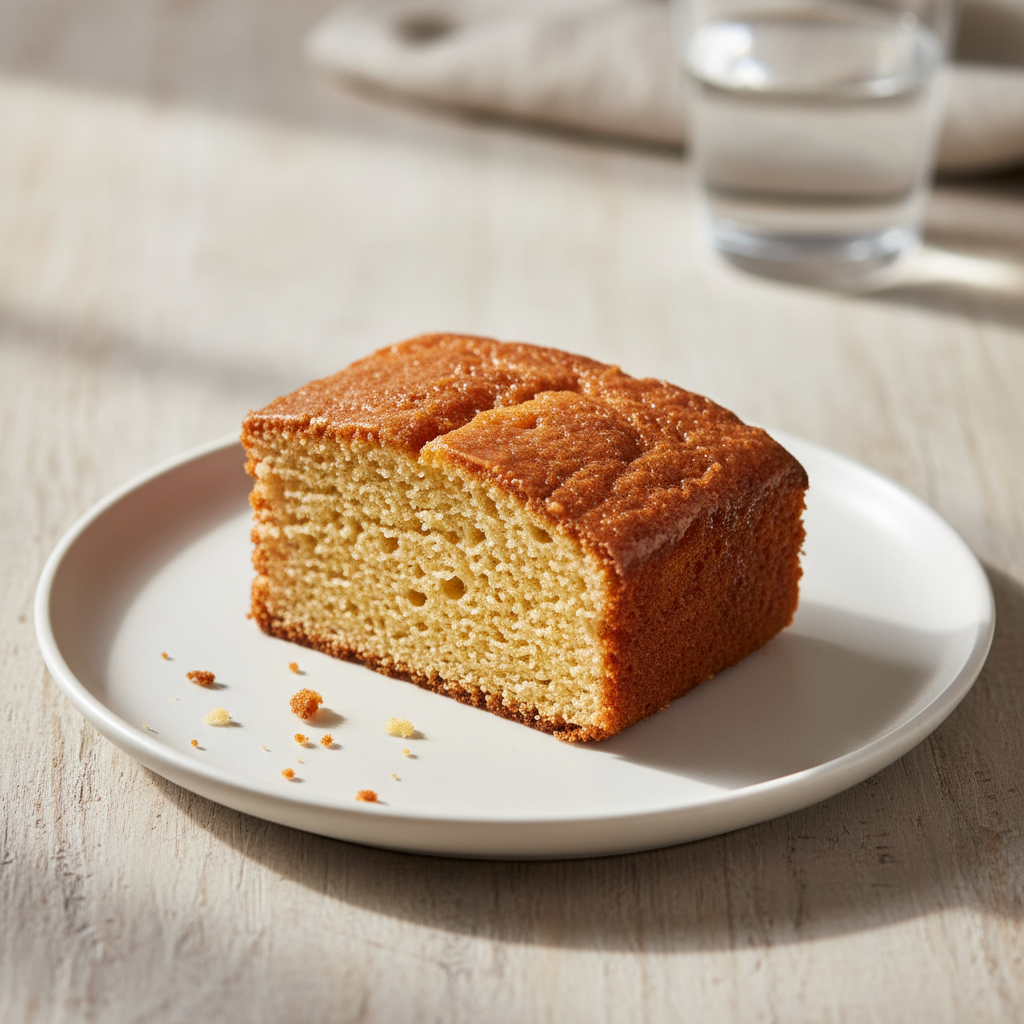
Discover the best methods to keep your treats moist and delicious. Learn how to store leftover cake properly so you can enjoy every last crumb.
Few things feel as disappointing as reaching for a slice of cake the day after a party, only to find it has lost its soft, pillowy magic. You look forward to that second bite, but instead of the moist crumb you remember, you are met with something dry and uninviting. This unfortunate fate is entirely avoidable if you treat your dessert with a little extra care. Whether you are dealing with a tall tiered design or simple cake flavours, the way you handle your leftovers can be the difference between a sweet treat and a kitchen disappointment. Learning how to store leftover cake is one of the most useful skills for any home baker or dessert enthusiast who wants to prolong the joy of a good slice.
The golden rule of moisture protection
The biggest enemy of any fresh sponge is air. Once a cake is cut, the interior crumb is exposed, allowing moisture to evaporate rapidly. To keep your cake from turning into a dry brick, you must create a barrier between the cut surface and the surrounding environment. Plastic wrap is your best friend here. For cut surfaces, press the wrap directly against the exposed cake to prevent air circulation. If you want to keep the whole cake fresh, cover the exposed areas first, then loosely tent the rest with foil or another layer of plastic. At WaraCake, we often talk about the importance of texture, and keeping moisture trapped inside is the primary reason our birthday cakes remain delicious until the last crumb is gone.
Understanding the fridge versus counter debate
Many people instinctively put everything in the refrigerator to keep it safe. However, this is not always the best approach for cake. Fridges can be surprisingly dehydrating environments that draw moisture out of baked goods. If your cake is covered in a simple buttercream or ganache, it can usually sit on the counter in a cool, shaded spot for a day or two. If your cake contains fresh fruit, dairy fillings, or whipped cream, the refrigerator is mandatory for safety. When you decide how to store leftover cake, consider the frosting type. Dense, sugary buttercreams act as a protective seal for the sponge, which allows them to handle room temperature better than cakes filled with delicate custards.
Using the right storage containers
While plastic wrap is effective for short-term preservation, airtight containers provide a more robust solution for longer storage. If you have a dedicated cake carrier, use it. These are designed to maintain the right balance of space and humidity. If you do not have one, a clean plastic container or a cake dome works wonders. Ensure the lid snaps on tightly. If you are placing slices into a container, arrange them so the cut sides are facing each other. This reduces the total surface area exposed to air, which is a clever trick to maintain quality. Avoid leaving the cake on an open plate, even if it is sitting under a dome, as the air trapped inside the dome will still eventually dry out the edges.
The freezer is a secret weapon
If you find yourself with too much cake and you know you will not finish it within a couple of days, do not let it go to waste. Cake freezes remarkably well. To freeze individual portions, wrap them tightly in a layer of plastic wrap followed by a layer of aluminium foil. This double wrapping method protects the cake from freezer burn, which happens when air reaches the surface and causes icy patches. When you are ready to eat, simply move the slice to the refrigerator for a few hours or leave it on the counter for thirty minutes to thaw. Most cakes retain their structure perfectly after thawing, allowing you to enjoy a high-quality dessert weeks after the original event.
Tips for restoring freshness
Sometimes even our best efforts fall short. If you find your slice has gone slightly stale, there are ways to bring it back to life. A few seconds in the microwave can soften a hardened sponge, though you must be careful not to overheat it, or it will become chewy. Another trick is to place a small slice of fresh bread in the container with the cake. The cake will absorb moisture from the bread, helping to refresh the crumb. If your cake is particularly dry, a drizzle of simple syrup or a dollop of fresh cream on the side can mask the texture issue effectively. Understanding these nuances makes learning how to store leftover cake far less intimidating.
FAQ
Does refrigerating cake make it taste better?
Refrigeration does not necessarily improve flavour, but it is necessary for cakes containing perishable fillings like fresh cream or custard. It is best to bring your cake to room temperature before serving to ensure the frosting and sponge have the best possible texture.
Can I leave my cake on the kitchen counter indefinitely?
No, most cakes will only stay fresh on the counter for one or two days before they begin to dry out or potentially spoil. Always keep cakes away from direct sunlight or heat sources to maintain their quality for as long as possible.
What is the best way to wrap a cut cake?
Press plastic wrap directly against the exposed cut surface of the cake to create an airtight seal that prevents moisture loss. Placing the wrapped cake inside an airtight container provides an extra layer of protection against the drying effects of your kitchen environment.
Is freezing cake better than refrigerating it?
Freezing is much better for long-term storage because it stops the staling process almost entirely. Refrigeration is best for short-term storage of a day or two, whereas the freezer allows you to keep cake for several weeks without losing quality.
If you are looking to enjoy a perfectly baked treat without the hassle of baking from scratch, we would love to help you find your next favourite dessert at WaraCake. Browse our collection whenever you are ready for a fresh, delicious cake delivered straight to your door.