
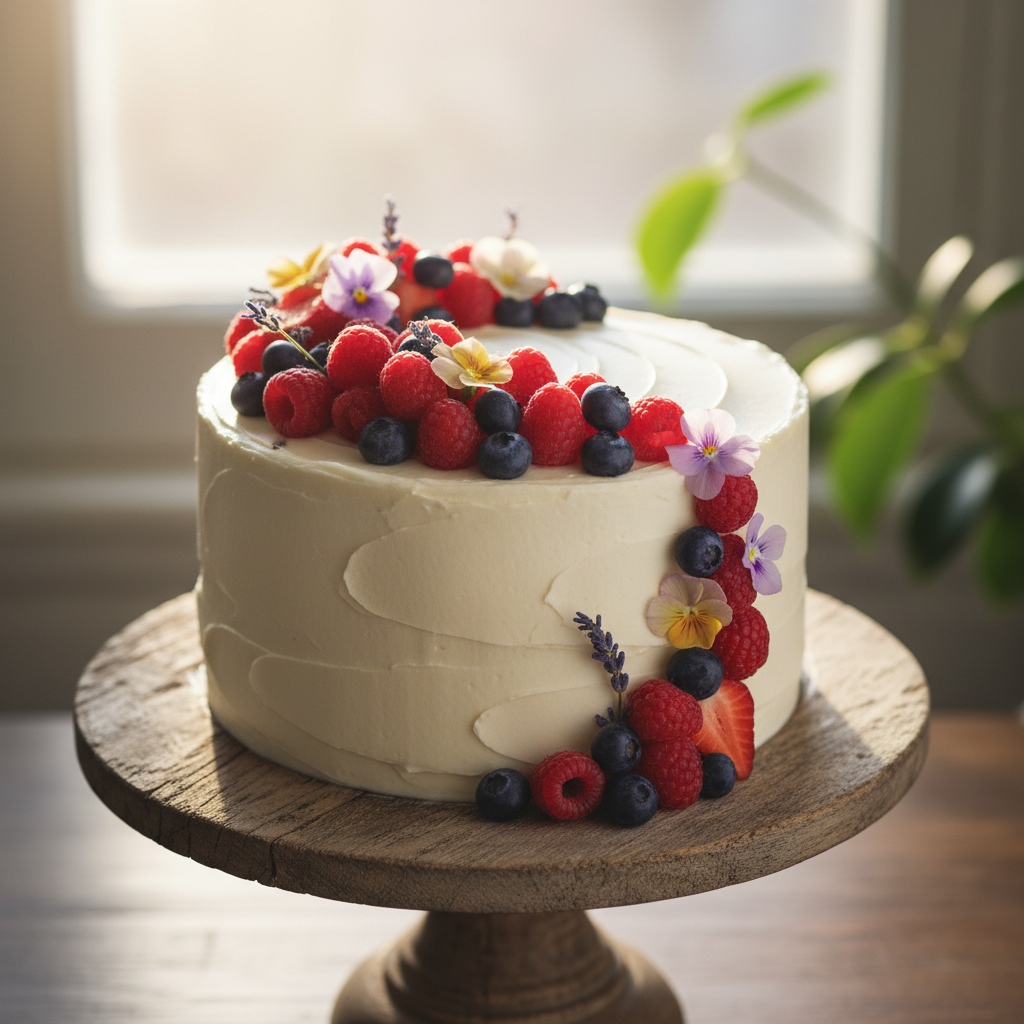
Discover the art of balancing flavours to elevate your home baking, from fruit and citrus pairings to the subtle use of herbs and spices.
There is something uniquely satisfying about taking that first bite of a slice of cake where the components seem to speak the same language. Many home bakers spend hours perfecting the texture of their sponge only to find that the filling or frosting feels like an afterthought. Achieving harmony on the plate requires a thoughtful approach to flavour balance, where one element supports another rather than fighting for dominance. Whether you are baking for a casual weekend treat or planning for a grand celebration, understanding how ingredients interact is the key to creating a memorable experience.
The foundation of flavour balance
The most successful combinations often rely on a principle of balance between sweetness, acidity, bitterness, and texture. A very sweet sponge cake, for instance, benefits greatly from a tart fruit curd or a slightly bitter dark chocolate ganache. Without this contrast, the palate becomes quickly overwhelmed by sugar, leading to a one dimensional experience. Think of your cake as a composition where each component plays a specific role. The sponge provides structure, the filling provides moisture and intensity, and the frosting acts as the unifying element that ties everything together. When you are looking for new cake flavour pairings, always start by identifying the dominant note you want to highlight.
Harnessing the power of fruit and citrus
Fruit is one of the most versatile ways to bring vibrancy to a cake. Citrus in particular is a powerhouse because it cuts through rich buttery sponges and creamy frostings with ease. A classic vanilla sponge can feel elevated and sophisticated simply by adding a layer of lemon curd or a lime zest infused cream cheese frosting. If you want to explore more complex profiles, consider pairing stone fruits like peaches or apricots with almond flavours, as these ingredients share similar aromatic compounds. Exploring these natural cake flavours helps you understand why some combinations have stood the test of time while others feel forced or disjointed.
Exploring chocolate and spice profiles
Chocolate is a blank canvas that changes dramatically depending on the percentage of cocoa butter. Dark chocolate with seventy percent cocoa or higher has a bitterness that pairs exceptionally well with bright, acidic flavours like raspberry or orange. Conversely, milk chocolate needs something to cut through its creaminess, such as a sea salt caramel or a deeply roasted coffee note. Spices are another way to add depth. Cinnamon, nutmeg, and cardamom add warmth to dense sponges, making them perfect candidates for winter bakes or elaborate wedding cakes. When working with spices, start small to ensure they enhance the primary flavour rather than mask it.
Mastering texture and temperature
Flavour is not just about what you taste on your tongue, but also how the cake feels in your mouth. A soft, airy sponge can feel a bit monotonous on its own, which is why adding a crunchy element can transform a simple dessert into something special. Think of toasted nuts, delicate wafer shards, or a brittle sugar crust. These textures provide a necessary contrast to soft frostings and sponges. Similarly, consider the temperature of your components. A cold, dense fruit compote inside a room temperature cake provides a refreshing surprise that changes the way the flavour profile is perceived as you eat it.
The art of subtle infusions
Sometimes the best flavour pairings are the ones that are not immediately obvious. Infusions allow you to layer complexity into a cake without using heavy additives. You can steep herbs like lavender, rosemary, or thyme into your milk or cream before using it to make ganache or buttercream. These subtle floral or earthy notes bridge the gap between a standard vanilla cake and something truly artisanal. When experimenting with herbs, keep the base flavour simple so the infused note can shine. These understated additions are often the hallmark of a professional approach to cake flavour pairings in a home kitchen.
Avoiding common pitfalls
One of the most common mistakes is trying to combine too many strong flavours at once. While it is tempting to layer chocolate, caramel, nuts, and fruit into one single bake, this often leads to a confused profile where none of the ingredients get a chance to stand out. Stick to a maximum of three main flavour profiles per cake. Another trap is using low quality extracts or essences. The beauty of great cake flavour pairings lies in the quality of your ingredients, so use real vanilla pods, high quality chocolate, and fresh seasonal fruit whenever you can. Remember that restraint is often the secret ingredient in the most successful recipes.
FAQ
How do I know if two flavours will work together?
Start by checking if they share similar aromatic compounds or if they provide a natural contrast in sweetness and acidity. Testing a tiny amount of each together on a spoon is the simplest way to confirm if the combination is pleasant.
Can I pair multiple fruits in one cake?
Yes, but try to select fruits that complement each other, such as berries with a hint of lemon, rather than clashing fruits like tropical mango with delicate strawberry. It is often easier to balance one strong fruit flavour with a neutral sponge or frosting.
How do I stop my flavour pairings from tasting flat?
The most likely culprit is a lack of salt or acid in your recipe. Always add a small pinch of salt to your frostings and batters to lift the sweetness, and consider a squeeze of lemon or lime to brighten up rich or heavy components.
Is it better to use fresh or dried ingredients?
Fresh ingredients like zest and fruit purées generally provide a brighter and more authentic flavour profile compared to dried versions. Dried ingredients are better suited for adding texture or concentrated bursts of flavour in dense, spiced cakes.
If you are feeling inspired to taste some of these combinations but would prefer to leave the baking to the professionals, our team at WaraCake is always here to help. We love helping our customers find the perfect flavour profile for their next celebration.