
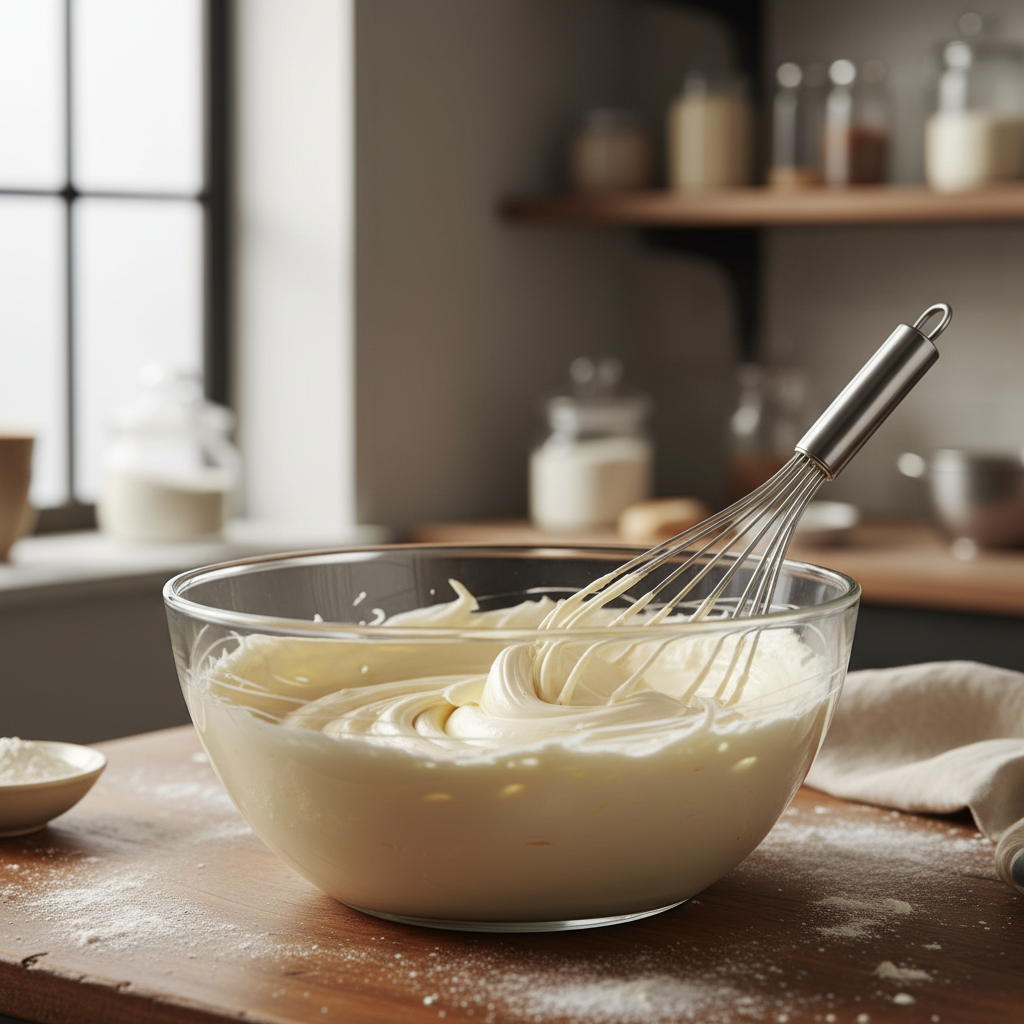
Learn why your buttercream often turns out too sweet and discover professional techniques to balance your frosting including meringue methods, acidity, and salt.
For many home bakers and cake enthusiasts, buttercream is the ultimate crowning glory of a celebratory dessert. It provides that silky finish and the perfect canvas for intricate pipework. However, there is a common complaint that often arises when biting into a beautifully decorated slice: the frosting is just too sweet. This cloyingly sugary sensation can overpower the delicate flavours of the sponge and leave guests reaching for a glass of water rather than a second helping. Understanding why your buttercream has crossed the line from decadent to distracting is the first step toward achieving a perfectly balanced palette.
The main culprit behind an overly sweet frosting is usually the choice of buttercream style. Most beginner bakers start with American buttercream. This version relies on a massive amount of icing sugar to create structure and volume. Because there is no cooking involved, you are essentially eating whipped butter held together by sugar crystals. While it is stable and easy to make, it lacks the sophistication of other varieties. If you find your current recipe is consistently too sweet, it might be time to move away from the basic icing sugar and butter ratio and explore more technical methods.
One of the most effective ways to reduce sweetness is to switch to a meringue-based buttercream. Swiss meringue and Italian meringue buttercreams focus on egg whites and cooked sugar syrup or a bain-marie method. These styles result in a much lighter, airier texture. Because the sugar is dissolved into the whites and then beaten with butter, the fat content carries the flavour more effectively than the sugar. The outcome is a frosting that feels rich rather than sugary. At WaraCake, we find that these meringue-based options provide a much more professional finish and a flavour profile that appeals to adults who prefer a less sugary treat.
Another factor that contributes to sweetness is the lack of contrast. Sugar needs an antagonist to shine without being overwhelming. The most basic and essential addition to any buttercream is salt. Many recipes call for unsalted butter, which is excellent for controlling the salt content, but it means you must remember to add a pinch of fine sea salt yourself. Salt does not make the frosting salty; instead, it cuts through the cloying nature of the sugar and enhances the other flavours like vanilla or chocolate. If your buttercream tastes flat and sugary, a tiny amount of salt dissolved in a teaspoon of warm milk or water and mixed in can transform it instantly.
The type of fat you use also plays a significant role in how sweetness is perceived on the tongue. Some recipes substitute a portion of the butter with vegetable shortening to increase stability in warm climates. While shortening helps the cake stand up to heat, it has a higher melting point and leaves a film on the roof of the mouth. This film traps the sugar against your taste buds for longer, making the frosting seem sweeter than it actually is. Using high-quality, high-fat butter ensures the frosting melts quickly on the tongue, releasing the flavour and moving on rather than lingering as a sugary paste.
Acidity is a secret weapon for balancing sugar levels. Just as a squeeze of lemon improves a heavy sauce, acidic ingredients can brighten a heavy buttercream. You can stir in a small amount of lemon juice, passion fruit puree, or even a tablespoon of sour cream or Greek yoghurt. These ingredients introduce a subtle tang that balances the glucose. This technique is particularly effective for fruit-flavoured cakes where you want the natural tartness of the berries or citrus to be the star of the show.
If you are committed to sticking with American buttercream for its ease of use, you can improve its balance by incorporating a cooked flour base, often referred to as Ermine frosting. This method involves cooking flour and milk into a thick custard before beating it into the butter and sugar. The starch in the flour helps provide structure, meaning you can significantly reduce the amount of icing sugar required. The result is a frosting that has the stability of American buttercream but the lightness and lower sweetness level of a French or Swiss variety.
The temperature at which you serve your cake also affects sweetness perception. Cold temperatures dull the flavours of the fat and the sponge, leaving the sugar as the most prominent note. If you serve a cake straight from the fridge, the buttercream can feel hard and overly sweet. Allowing the cake to come to room temperature for at least an hour before serving ensures the butter is soft and creamy. This allows the complex flavours of the vanilla or other extracts to emerge, providing a more balanced experience for whoever is eating it.
Mastering the balance of flavours in your frosting takes patience and a willingness to experiment with different techniques. By understanding the role of salt, acidity, and the science of meringue, you can create desserts that are sophisticated and enjoyable to the very last bite.
If you would like to enjoy a professionally balanced cake without doing the heavy lifting in the kitchen, you can browse the selection at WaraCake to find a treat that is just right for your next celebration.