
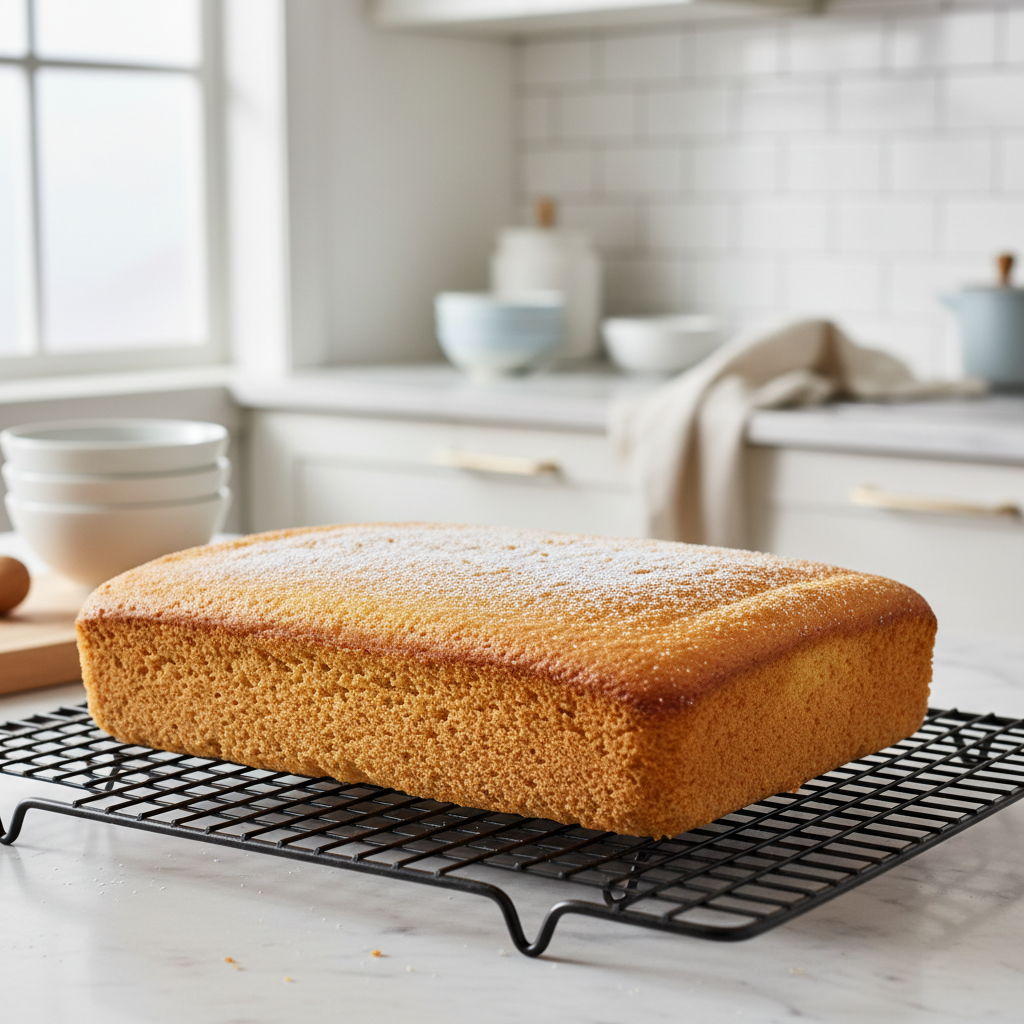
Discover the common reasons why cakes sink in the middle and learn professional tips to ensure a perfectly level bake every time.
Few things in the kitchen are as heartbreaking as watching a cake rise beautifully through the oven window only to see it collapse into a sad crater the moment you pull it out. You probably spent a good hour measuring flour, creaming butter, and folding in eggs with the utmost care, yet you are left with a sunken centre that looks more like a soup bowl than a sponge. This common baking disaster happens to everyone from beginners to professional pastry chefs. Understanding the science behind why a cake structural integrity fails is the first step toward achieving that perfectly level, golden top every single time you bake.
The most frequent culprit behind a sinking cake is the premature opening of the oven door. Baking is a delicate chemical reaction that relies on consistent heat to set the structure of the batter. When you open the door to peek at your creation before it is at least three quarters of the way through the cooking time, a rush of cool air enters the oven. This sudden drop in temperature causes the air bubbles that are lifting the cake to contract before the flour and eggs have had a chance to firm up. If the internal structure is still liquid or soft, the weight of the batter will pull it downward, and it rarely recovers. Always wait until the final five to ten minutes of the suggested baking time before you even think about opening that door.
Another major factor involves your leavening agents. We often reach for baking powder or baking soda without checking the expiration date or considering the quantity. If you use too much leavening agent, the cake will rise too rapidly. The air bubbles become too large and thin, making them incredibly fragile. Eventually, these bubbles pop because the gluten in the flour cannot stretch any further to contain them. Once those bubbles burst, the cake collapses inward. Additionally, old baking powder loses its potency and might provide an uneven lift that eventually gives way. Make it a habit to replace your rising agents every six months to ensure they are performing at their peak.
The way you handle your batter plays a significant role in the final shape of your cake. Overbeating the mixture is a trap that many bakers fall into. While you want a smooth batter, mixing for too long incorporates excessive air. More importantly, overmixing develops too much gluten in the flour. This creates a rubbery texture that might rise high initially but will inevitably shrink and sink as it cools because the structure is too tight to hold the air. Conversely, under-mixing can lead to pockets of unincorporated ingredients that create weak spots in the sponge. Your goal should be a cohesive ribbon-like consistency where the ingredients are just combined.
Temperature matters long before the tray enters the oven. Using cold eggs or cold butter when a recipe calls for room temperature ingredients is a recipe for a sunken middle. Room temperature ingredients emulsify much better, creating a stable trapped air network. When you use cold butter, it does not cream properly with the sugar, leading to an uneven distribution of air. When these cold pockets of air hit the heat of the oven, they expand inconsistently, often leading to a central collapse. Take your dairy and eggs out of the fridge at least an hour before you plan to start your prep work.
The accuracy of your oven temperature is more important than the dial suggests. Many home ovens have hot spots or do not actually reach the temperature displayed on the digital screen. If your oven is too hot, the cake will rise and brown on the outside before the middle has had a chance to cook. This leaves a raw, heavy centre that will sink the moment gravity takes over outside the oven. Using an inexpensive oven thermometer can help you verify that 180 degrees Celsius is actually 180 degrees. At WaraCake, we always ensure our ovens are calibrated because even a five degree difference can change the entire profile of a sponge cake.
Finally, the way you measure your ingredients can make or break your bake. Professional bakers prefer weighing scales over measuring cups for a reason. Flour is particularly tricky because it can be packed down into a cup, leading you to use far more than the recipe intends. Too much flour makes a cake heavy and prone to sinking under its own weight. On the other hand, too much liquid or sugar can weigh down the air bubbles, preventing them from supporting the top of the cake. Precision is the best friend of any baker looking for consistent results.
If you find yourself struggling with a stubborn oven or simply do not have the time to troubleshoot why your sponges are falling flat, remember that expert help is always available. You can find a variety of professionally baked, perfectly leveled treats at WaraCake to satisfy your cravings without the stress of a sunken centre.
If you would rather spend your afternoon enjoying a slice instead of cleaning up flour, you are welcome to browse our selection and order a fresh cake from WaraCake today.