
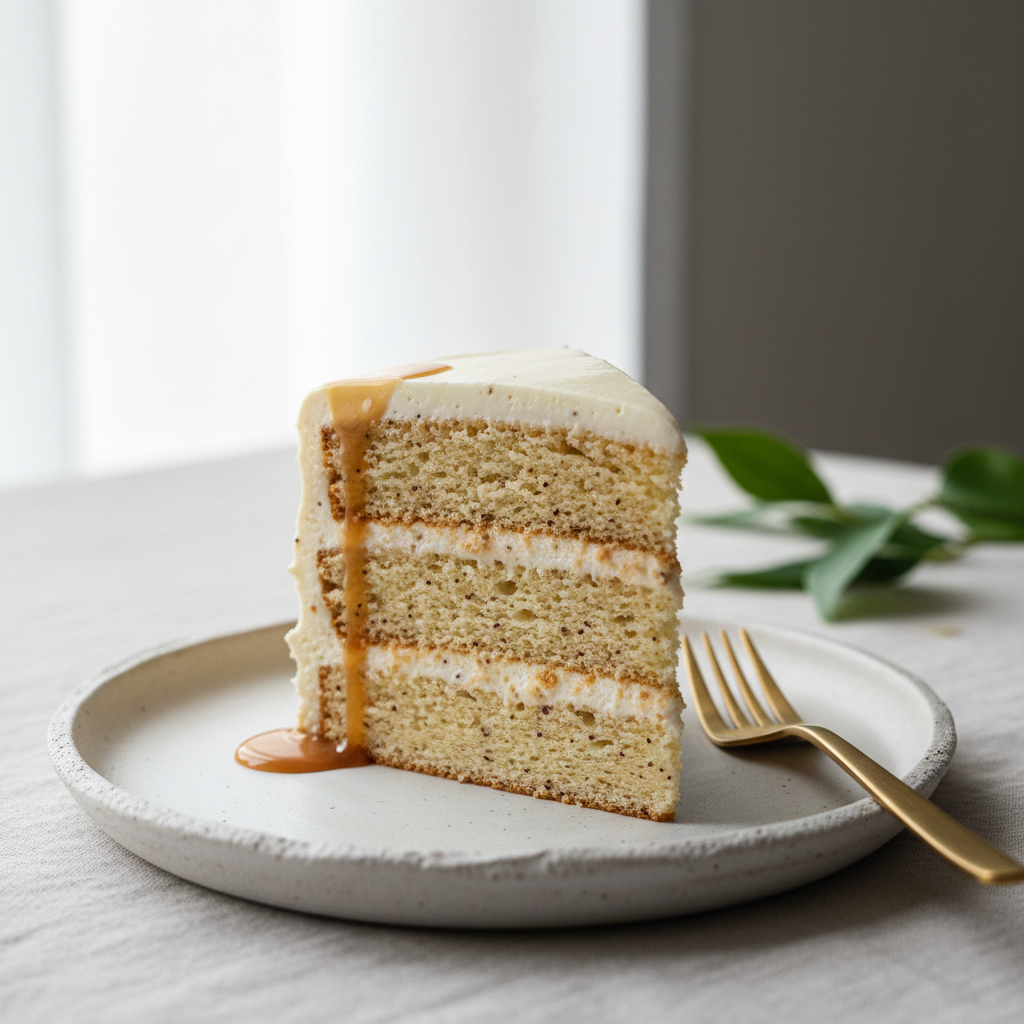
Discover the secrets behind why some cakes taste more luxurious than others, from the quality of butter to the science of salt.
When you take a bite of a truly exceptional cake, there is often a moment of silence where you try to identify why it feels so different from a standard supermarket sponge. It is not just about the sweetness or the height of the tiers. There is a specific profile involving texture, aroma, and the way the flavours linger on the palate that signals luxury. Most people assume that an expensive taste comes down to a secret recipe, but in reality, it is a collection of small, deliberate choices that elevate a simple bake into an experience. Achieving that sophisticated finish requires focusing on the quality of raw ingredients and the technical finesse used to combine them.
The foundation of any high end cake starts with the quality of the fats used. While margarine is a staple in many households for its affordability and ease of use, it can never replicate the mouthfeel of pure, high fat dairy butter. Butter has a low melting point that aligns perfectly with human body temperature, meaning it melts away on the tongue rather than leaving a waxy coating. Expensive tasting cakes often use European style butters which have a higher butterfat content and lower water percentage. This leads to a tighter, more tender crumb that feels rich without being oily. When you choose quality fats, you are not just adding calories, you are adding a structural integrity and a creamy finish that serves as the canvas for every other flavour.
The type of vanilla used is perhaps the most immediate giveaway of a cake’s pedigree. Most casual bakers rely on synthetic vanillin, which provides a one dimensional, sharp sweetness. However, an expensive cake usually features the complex notes of real vanilla bean paste or Madagascar Bourbon vanilla extract. If you look closely at a slice of luxury white cake and see tiny black specks, you are looking at the seeds from a vanilla pod. These pods contain hundreds of organic compounds that offer smoky, floral, and woody undertones. This depth makes the sugar in the cake feel more like a background character rather than the lead actor, allowing the nuanced aromatics to take centre stage.
Texture is another subtle detail that separates a basic cake from a premium one. A common trait of professional cakes is the use of simple syrups or baisage to moisten the sponge layers. Even the most perfectly baked cake loses moisture as it cools, but the best pastry chefs lightly brush their layers with a flavoured syrup before frosting. This ensures the cake remains incredibly moist for days. Beyond moisture, the use of finely milled flours, such as cake flour or even a percentage of almond flour, creates a velvet like grain. A cake that tastes expensive will never feel coarse or bread like; it will feel smooth, consistent, and almost creamy as you chew.
Salt is the most underestimated ingredient in a luxury baker’s pantry. Many people think salt is only for savoury cooking, but it is the key to unlocking the full potential of sugar and chocolate. A cake that tastes flat or overly sweet often lacks enough salt to balance the palate. By adding a pinch of high quality sea salt or Maldon flakes to a caramel filling or a chocolate ganache, you create a contrast that keeps the eater interested. This balance prevents the sugar from becoming cloying and makes the overall profile feel more mature and intentional.
At WaraCake, we understand that the quality of chocolate determines the soul of a dessert. Real chocolate contains cocoa butter, whereas cheaper compound chocolate replaces it with vegetable fats. The difference in taste is staggering. High quality chocolate has a snap and a complex acidity that provides a long finish. When this is used to make a ganache or a truffle filling, it provides a richness that feels heavy and indulgent in the best possible way. Using cocoa powder processed with alkali, known as Dutch processed cocoa, also gives the cake a dark, sophisticated hue and a mellow flavour that avoids the harshness of natural cocoa.
The final detail is the temperature at which the cake is served. A cake straight from the fridge will always taste less impressive because cold temperatures mute fats and scents. A cake that tastes expensive is usually served at room temperature, allowing the butter to soften and the aromas to be released. This tiny logistical detail changes everything about how the cake sits on the tongue. It ensures that the textures are as supple as the baker intended and that the careful balance of vanilla, salt, and quality fat can be fully appreciated by the person eating it.
Creating these layers of flavour is what we strive for every day. If you would like to experience these small details for yourself without spending hours in the kitchen, you can find a variety of premium options at WaraCake. We would be happy to prepare something special for your next celebration.