
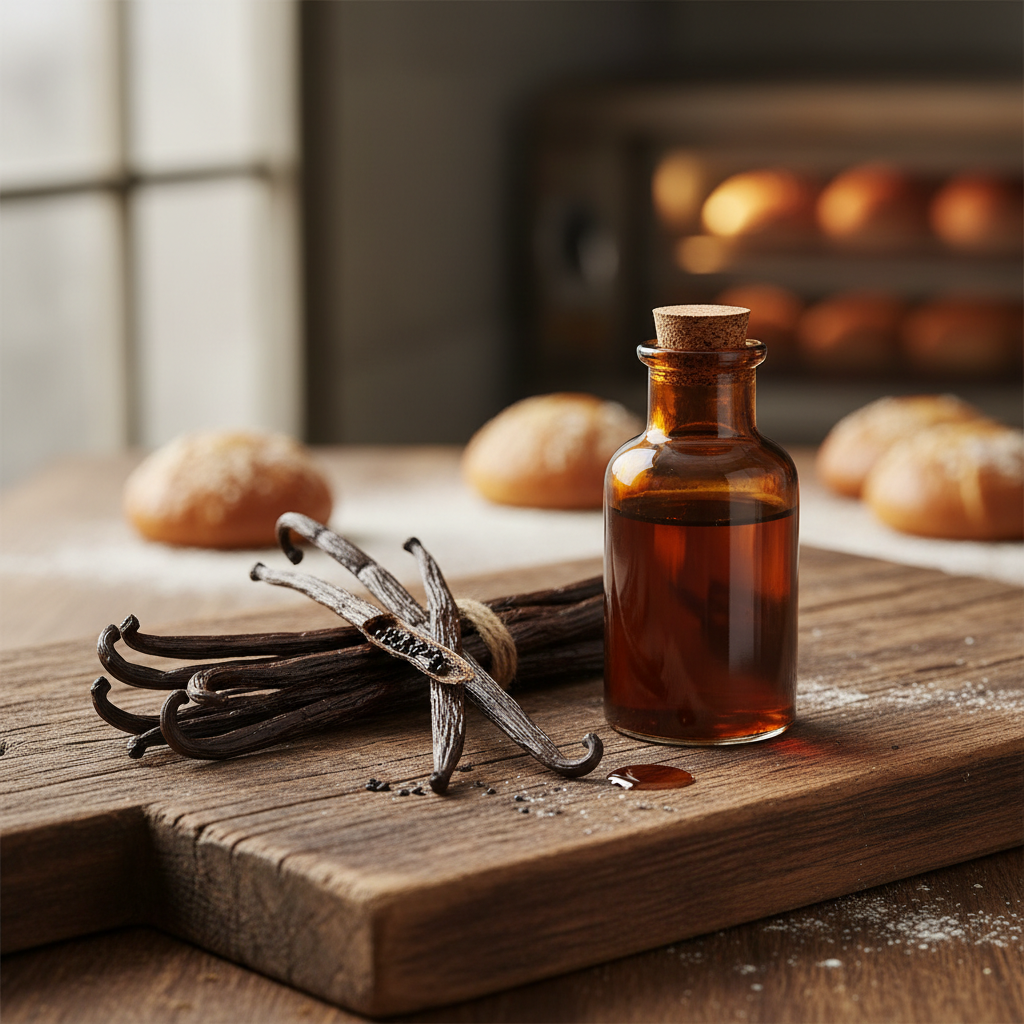
A guide for bakers on when to use premium vanilla beans versus the convenience of vanilla extract for the best results.
When you walk into a professional kitchen, the smell of vanilla is usually the first thing that greets you. It is the backbone of the pastry world, acting as a foundation that makes chocolate taste deeper and fruit taste brighter. Despite its ubiquity, there is a recurring debate among home bakers and professionals alike about which form of this spice is superior. Many people wonder if they truly need to stock expensive whole beans when a bottle of liquid extract is so much more convenient. Navigating the world of vanilla requires an understanding of how heat, texture, and intensity play roles in your final bake.
Understanding the origin of vanilla beans
Vanilla is actually the fruit of an orchid, and it is one of the most labour intensive crops in the world. Each flower must be hand pollinated, and the beans must be cured for months after harvest to develop their signature aroma. The whole bean is the most raw and potent form of the spice available to a baker. When you slice open a pod, you find thousands of tiny black seeds suspended in a sticky paste. These seeds provide a floral, earthy, and complex flavour profile that extract often lacks. Because these beans are sold in their natural state, they retain oils that are sometimes lost during the industrial processing of liquids.
The convenience and consistency of vanilla extract
Vanilla extract is the workhorse of the modern bakery. It is produced by macerating vanilla beans in a solution of alcohol and water. Over several months, the alcohol draws out the vanillin and other flavour compounds from the pods. The benefit of using extract is consistency. When you use a teaspoon of high quality extract, you know exactly how much flavour you are adding to your batter. It is also significantly more affordable than whole beans, making it the practical choice for everyday items like sponges, cookies, and brownies. Most bakers find that for recipes requiring high heat, the nuances of a fresh bean might be lost anyway, making extract the efficient choice.
When to reach for the whole bean
There are specific scenarios where replacing a bean with extract is a disservice to the dessert. These are usually recipes where the vanilla is the primary flavour and where the texture of the seeds adds visual appeal. Think of a classic panna cotta, a crème brûlée, or a homemade custard. In these dishes, the tiny black flecks signal to the diner that they are eating something premium. Furthermore, the infusion process allows the full fatty oils of the bean to meld with the dairy, creating a creamy mouthfeel that extract cannot replicate. If you are making a cold dessert or a light cream, the whole bean is worth every penny.
Heat and the evaporation of flavour
One of the most important technical considerations in baking is how heat affects your ingredients. Vanilla extract is alcohol based, and alcohol evaporates at a lower temperature than water. This means that when you bake a cake for forty minutes at a high temperature, some of the more delicate aromatic notes of the extract can bake off. Whole beans tend to hold their flavour better during long baking processes because the seeds are physical matter and the oils are more stable. However, for a quick batch of chocolate chip cookies, the difference is so marginal that the extract remains the sensible choice.
The middle ground of vanilla bean paste
If you find yourself caught between the price of beans and the simplicity of extract, vanilla bean paste is an excellent compromise. It is a thick, syrupy mixture that contains both vanilla extract and the actual seeds from the pod. It allows you to get those beautiful black flecks in your icing or cake batter without the hassle of slicing and scraping individual pods. Many professional kitchens, including those of us at WaraCake, often use paste for signature bakes where we want a premium look without the inconsistency of varying bean sizes.
Cost versus quality in your pantry
Stocking both can be an investment, but they serve different purposes in a well rounded pantry. Using whole beans for every single batch of muffins would be a waste of resources. Conversely, using a cheap imitation essence for a wedding cake filling would result in a flat, artificial taste. Most bakers find that a large bottle of pure vanilla extract handles ninety percent of their work, while a small jar of beans or paste is reserved for special occasions and cream based desserts. It is about choosing the right tool for the specific job at hand.
Storing your vanilla for longevity
To get the most out of your purchase, you must store these items correctly. Vanilla beans should be kept in an airtight container in a cool, dark place. Never put them in the fridge, as this can cause them to dry out or develop mould. If a bean becomes hard, you can often rehydrate it by soaking it in warm liquid for a few minutes before use. Extract should also be kept away from direct sunlight to prevent the flavour from degrading. If you treat these ingredients with care, they will reward you with incredible aromas for many months.
The final decision of the baker
Whether you choose a bean or an extract depends entirely on what you are making. If you are looking for a reliable, everyday flavour for your family treats, a good extract is more than sufficient. If you are aiming for a showstopping dessert where the vanilla takes centre stage, the bean is your best friend. At WaraCake, we understand that quality ingredients are the secret to any successful celebration.
If you would like to experience how high quality vanilla transforms a dessert, you can browse our range of freshly baked treats at WaraCake. We take care of the details so you can enjoy the perfect slice.