
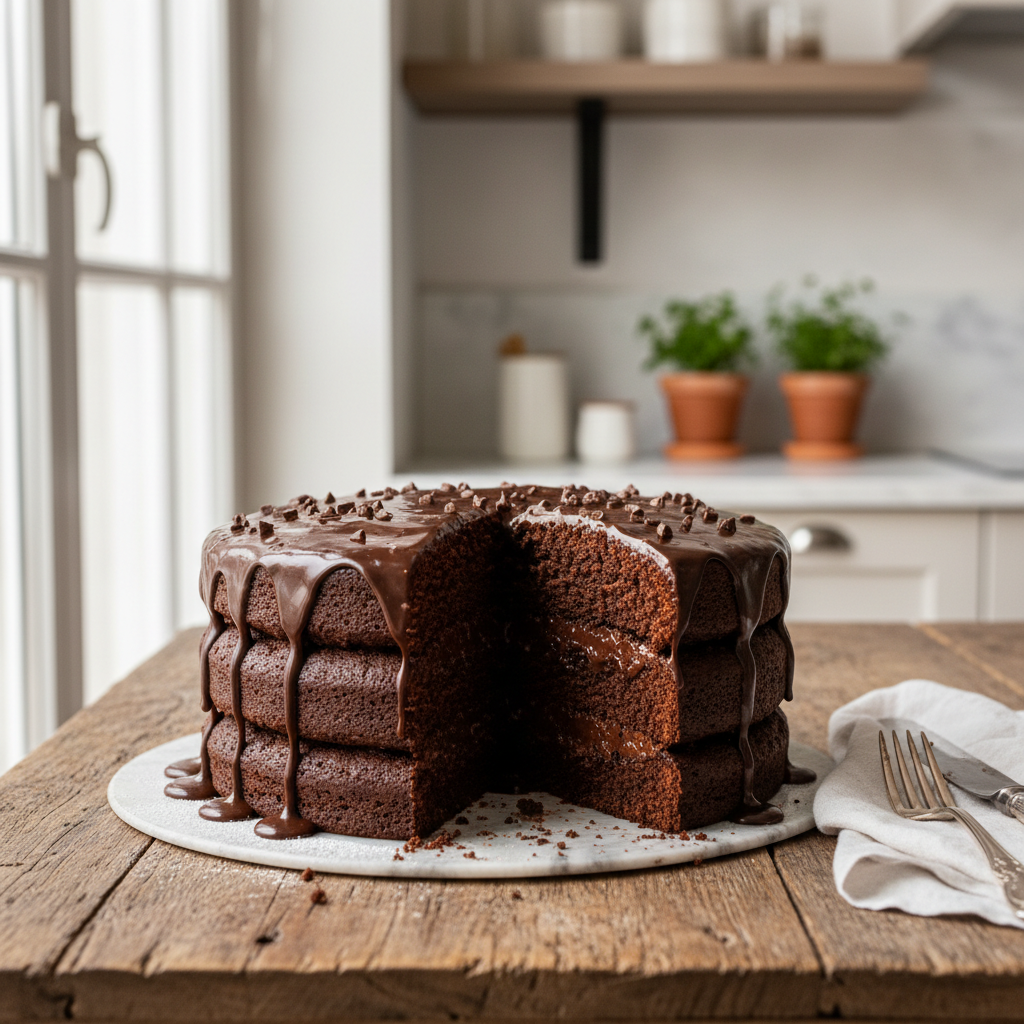
Learn the best professional secrets for keeping your cake moist and delicious for days after it is sliced.
The initial joy of slicing into a fresh cake is often followed by a practical dilemma. Once the party is over or the initial craving is satisfied, you are left with several portions of a sponge that was once moist and tender. Without the right approach, that same cake can become dry, crumbly, and lose its aromatic charm by the time forty eight hours have passed. Knowing how to preserve the integrity of your bake is just as important as the baking process itself. At WaraCake, we believe every slice should taste as intentional on day three as it did the moment it left the oven.
The environment is the enemy of freshness
Understanding why cake goes stale is the first step toward preventing it. Staling is not just about moisture loss. It is a chemical process where starch molecules crystallise, making the sponge firm and gritty. Air is the primary catalyst for this change. When a cake is left exposed, the air draws out the moisture and speeds up the crystallisation of the starches. To keep a cake tasting fresh until day three, your primary goal is to create a barrier between the sponge and the surrounding atmosphere. This applies whether the cake is whole, sliced, or topped with mountains of buttercream.
Storage at room temperature
Most cakes are perfectly happy sitting on your kitchen counter, provided they do not contain perishable fillings like fresh cream, custard, or cream cheese. If your cake is covered in standard buttercream or ganache, room temperature is actually better for the texture than the fridge. Cold temperatures can accelerate the staling process of the sponge. To store it correctly, place the cake under a glass cloche or in a dedicated cake tin. If the cake has already been sliced, the exposed sponge is your biggest vulnerability. You can press a piece of plastic wrap directly against the cut surfaces to seal in the moisture before placing it in the container.
The refrigerator rulebook
There are times when the fridge is unavoidable, especially in warmer climates or when dealing with dairy heavy fillings. If you must refrigerate your cake, you have to be extra careful about evaporation and odour absorption. Refrigerators are surprisingly dry environments. They also contain various food smells that a fat rich buttercream will soak up like a sponge. Always wrap the cake or its container in an extra layer of cling film to ensure an airtight seal. When you are ready to eat it on day three, take the cake out at least two hours before serving. Cold cake often tastes dry because the butter in the sponge has solidified. Bringing it to room temperature allows those fats to soften, restoring the velvety mouthfeel.
Handling sliced portions
If you have individual slices left, the surface area exposed to air increases significantly. For these, the best method is to wrap each slice individually in plastic wrap. Ensure the wrap is tight against the sponge. Once wrapped, you can place these slices into an airtight plastic container. This double layer of protection is the gold standard for preserving moisture. By day three, a slice stored this way will still retain its bounce. This method also makes it very easy to grab a single portion without exposing the rest of the cake to the air again.
Dealing with different frostings
The type of frosting on your cake dictates your storage strategy. Fondant covered cakes should almost never go in the fridge because the humidity can cause the sugar to sweat and bleed. These are best kept in a cool, dark cupboard in a sturdy box. Buttercream serves as a natural insulator for the sponge, acting like a seal that keeps moisture trapped inside. If you have a naked cake or one with very little frosting, you must be much more aggressive with your wrapping techniques. For cakes with fresh fruit toppings, the fruit will likely be the first thing to degrade, so try to remove any weeping fruit before storing the cake for the third day.
Freezing for longer life
If you realise you cannot finish the cake by day three, the freezer is your friend. Freezing is actually better at preserving the quality of a cake than the fridge is. You can freeze slices by wrapping them tightly in plastic wrap and then a layer of aluminium foil. When you want to eat it, let it thaw in the fridge overnight and then bring it to room temperature. This stops the staling process entirely. Many professional bakers actually freeze their sponges before frosting them because it locks in the moisture so effectively.
The importance of a clean cut
To maintain freshness, use a very sharp knife to make clean cuts. Ragged edges create more surface area for air to penetrate. After each cut, wipe your knife clean to prevent crumbs from being dragged across the surface, which can create pockets where air can settle. If you are diligent about sealing the cake back up immediately after taking a slice, you will find that the quality remains remarkably high.
If you would rather spend your time enjoying a perfect dessert instead of worrying about storage techniques, you can explore the fresh options at WaraCake.
We would love to provide the centrepiece for your next celebration. Visit our website to see our range of freshly baked treats and have them delivered directly to your door.