
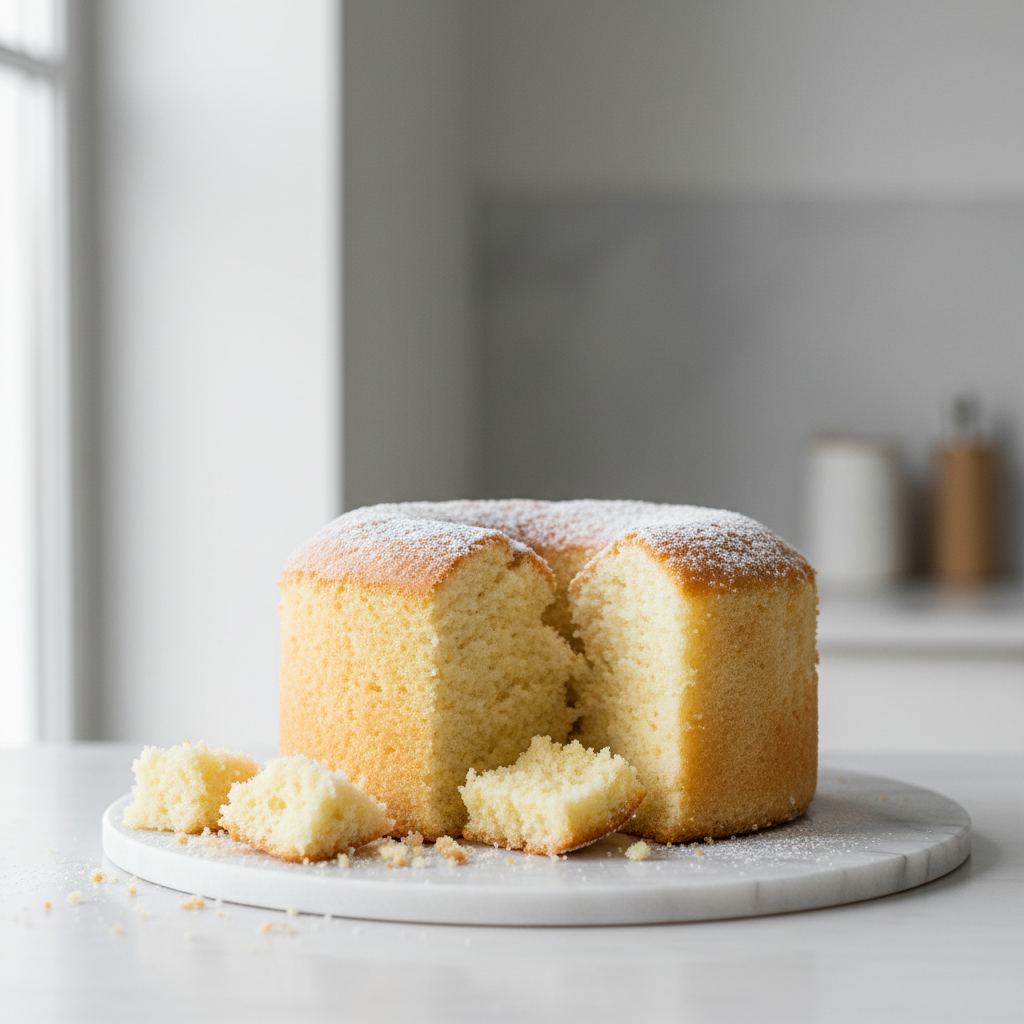
Learn why your sponge cakes are coming out heavy or rubbery and discover the professional techniques to achieve a light, airy crumb every time.
There is a specific kind of disappointment that sets in when you pull a golden brown cake out of the oven only to find that it feels as heavy as a doorstop. You followed the steps, you measured the flour, and yet the crumb is tight, rubbery, or gluey instead of being the cloud like texture you dreamt of. At WaraCake, we have spent years perfecting the science of the sponge, and we know that a dense cake is rarely the result of bad luck. It is usually a small technical error in how the ingredients were handled or how the oven was managed. Understanding the chemistry behind your batter is the first step toward achieving that perfect, airy slice every single time.
One of the most frequent causes of a heavy sponge is the way the butter and sugar are handled at the very beginning. Many amateur bakers believe that mixing until the ingredients are combined is enough, but the creaming stage is actually where you build the foundation of your cake structure. When you beat butter and sugar together, the sharp edges of the sugar crystals carve tiny pockets of air into the fat. These air bubbles expand during baking to create a light lift. If you under cream the mixture, there are not enough air pockets to hold the weight of the flour and eggs. Conversely, if your butter is too soft or melted, it cannot hold air at all, resulting in a greasy and flat cake. Aim for a pale, fluffy texture that looks almost like whipped cream.
The way you incorporate eggs can also make or break your sponge. Adding eggs too quickly is a common mistake that leads to a curdled batter. If the fat and water in the eggs do not emulsify properly, the batter loses its ability to trap air. To avoid this, add your eggs one at a time and beat thoroughly after each addition. If you notice the mixture starting to look grainy or split, add a tablespoon of your measured flour to help bind the emulsion back together. Temperature is equally important here. Using cold eggs straight from the fridge can cause the creamed butter to seize and clumps to form, which prevents an even rise. Always ensure your eggs are at room temperature before you start mixing.
Overmixing the flour is perhaps the most notorious culprit behind a dense, bready texture. The moment flour touches wet ingredients, gluten begins to develop. While gluten is essential for the structure of bread, too much of it in a cake creates a tough and rubbery crumb. Many people make the mistake of using a high speed electric mixer to fold in their dry ingredients. This overworks the proteins in the flour. Instead, you should switch to a manual whisk or a spatula once the flour goes in. Use a gentle folding motion and stop the very second you see no more white streaks. Overmixing also knocks out the precious air bubbles you worked so hard to create during the creaming stage.
Your choice of raising agents and how they are stored plays a massive role in the final height of your sponge. Baking powder and baking soda are not immortal. They lose their potency over time, especially if they are stored in a humid environment or past their expiry date. If your leavening agent is old, it will not produce enough carbon dioxide gas to lift the heavy batter, leaving you with a slumped and dense base. You can test your baking powder by dropping a small amount into hot water. If it bubbles vigorously, it is still active. Additionally, some bakers forget that these agents react as soon as they get wet. If you leave your batter sitting on the counter for too long before putting it in the oven, the chemical reaction will fizzle out, and your cake will lose its lift.
Even if your batter is perfect, an incorrect oven temperature can ruin everything. If your oven is too cool, the cake will take too long to set, allowing the air bubbles to escape before the structure is firm enough to hold them. This often results in a cake that rises and then collapses in the middle. If the oven is too hot, the outside of the cake sets and crusts over too quickly, preventing the center from expanding fully and leading to a heavy, undercooked core. Many domestic ovens do not actually match the temperature they display on the dial. Investing in an independent oven thermometer can save you from a lot of heartache by ensuring you are baking at the precise heat required.
The final stage where a sponge can lose its integrity is during the cooling process. It is tempting to slice into a warm cake immediately, but the internal structure is still fragile while it is hot. As a cake cools, the starches set and the steam inside evaporates. If you move the cake too much or try to turn it out of the pan while it is piping hot, the delicate air walls can collapse under their own weight. Give the cake about ten minutes in the tin to firm up before transferring it to a wire rack. This allows the air to circulate around the entire sponge, preventing moisture from being trapped at the bottom, which can make the base feel soggy and dense.
Getting a cake right is a balance of patience and precision. Whether you are baking for a small family gathering or a large celebration, paying attention to these small details will ensure your sponge is always light and inviting. If you find yourself short on time or want a guaranteed professional result, the team at WaraCake is always here to provide expertly baked treats for your special moments.
Feel free to browse our latest collection of light and fluffy cakes on our website whenever you need a sweet treat delivered to your door.