
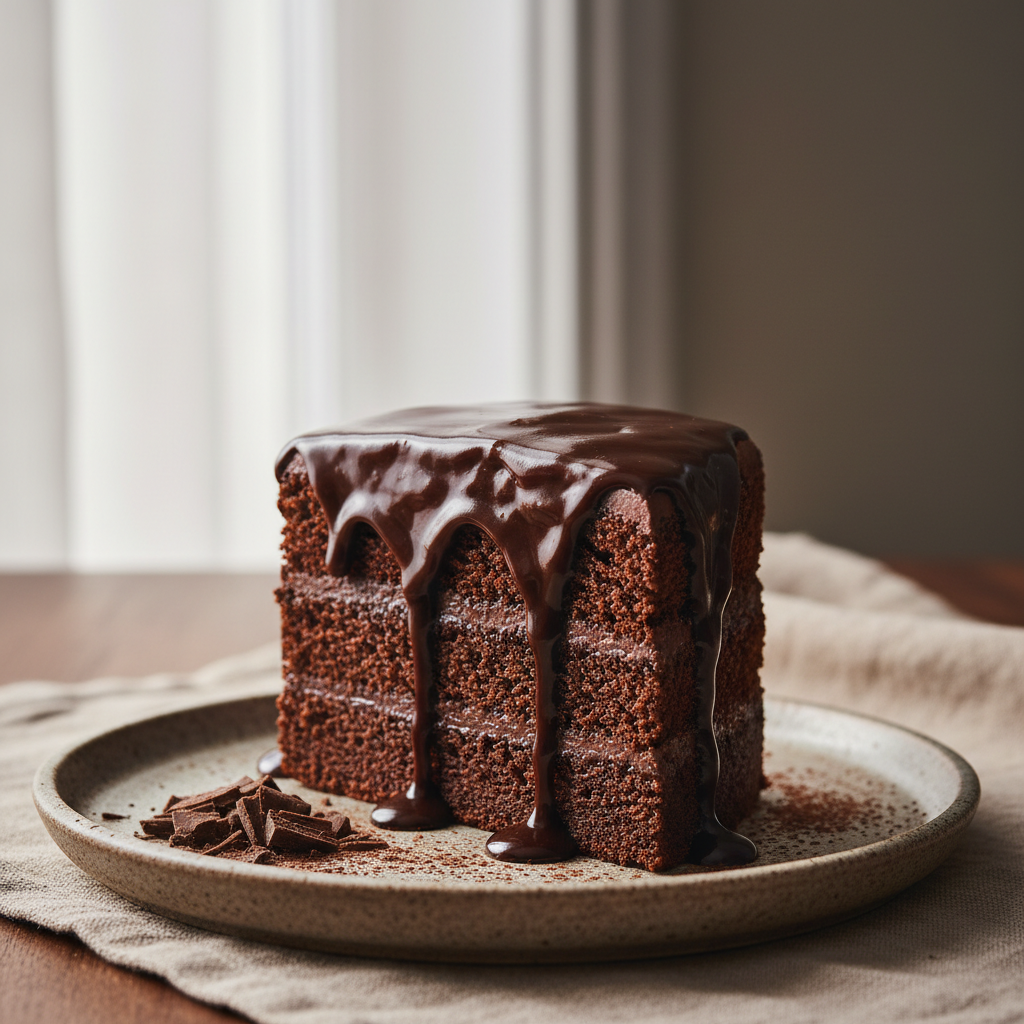
Discover the professional secrets to baking a moist chocolate cake every time, from blooming cocoa to the science of acidity and fat.
There is a specific kind of disappointment that comes from cutting into a dark, beautiful chocolate cake only to find the texture resembles dry breadcrumbs. Many home bakers struggle with this because chocolate is a naturally drying ingredient. Cocoa powder is thirsty, and without the right balance of fats and liquids, it will soak up every bit of moisture in your batter. Achieving that elusive, fudgy, and melt in the mouth consistency requires more than just following a recipe. It requires an understanding of how ingredients interact under heat. At WaraCake, we have spent years perfecting the art of the moist sponge, and I want to share the professional secrets that ensure your oven produces a masterpiece every single time.
The foundation of a moist cake begins with your choice of fat. While butter provides an incredible flavour that many people prefer, it can sometimes lead to a firmer and slightly drier crumb when refrigerated. For the ultimate moist chocolate cake, I recommend using a high quality vegetable oil or a combination of both oil and butter. Oil remains liquid at room temperature, which gives the cake a silky mouthfeel that lasts for days. If you are worried about losing that buttery taste, you can use a touch of butter extract or simply ensure you are using premium cocoa powder to carry the flavour profile.
One of the most effective tricks in a pastry chef’s arsenal is the use of hot liquid, specifically hot coffee. When you add boiling water or hot brewed coffee to your chocolate cake batter, it performs two vital functions. First, it blooms the cocoa powder, which means it releases the trapped flavour oils within the powder for a deeper chocolate taste. Second, the high temperature helps to dissolve the sugar more effectively and encourages the starch in the flour to swell, which results in a much smoother and more hydrated crumb. Do not worry about the cake tasting like a latte; the coffee simply intensifies the chocolate without leaving behind its own distinct flavour.
The type of sugar you use also plays a significant role in moisture retention. While white granulated sugar is standard, replacing a portion of it with soft brown sugar or even treacle can transform your bake. Brown sugar contains molasses, which is a natural humectant. This means it actively attracts and holds onto water molecules. This simple swap results in a cake that stays soft for much longer than one made with white sugar alone. Additionally, the acidity in brown sugar reacts beautifully with bicarbonate of soda to give the cake a light, airy lift that prevents it from becoming too dense or gummy.
Acidity is a hidden hero in moist chocolate cakes. Ingredients like buttermilk, sour cream, or plain yoghurt are essential. These acidic components do more than just add moisture; they break down the gluten strands in the flour. This process, known as tenderising, ensures that the cake has a soft bite rather than a chewy or tough texture. If you do not have buttermilk on hand, you can make a quick substitute by adding a tablespoon of lemon juice or white vinegar to a cup of whole milk and letting it sit for five minutes. This small addition creates a chemical reaction that is crucial for a tender result.
Perhaps the most common reason for a dry cake has nothing to do with the recipe and everything to do with the oven. Overbaking is the enemy of moisture. Most cakes continue to cook for a few minutes after they are removed from the oven due to residual heat. I always suggest checking your cake five minutes before the recipe says it should be done. Insert a skewer into the centre; it should come out with a few moist crumbs clinging to it rather than being bone dry. If the skewer is clean, the cake is likely already starting to dry out. Invest in an oven thermometer to ensure your appliance is actually running at the temperature displayed on the dial, as many ovens run hot.
Proper storage is the final step in maintaining that perfect texture. Once your cake has cooled completely, wrap it tightly in cling film. Leaving a cake exposed to the air will cause the moisture to evaporate almost instantly. If you are not frosting it right away, you can even freeze the layers. Surprisingly, freezing can actually help lock in moisture. For those in Lagos or other warm climates, managing humidity and temperature is key to keeping your bakes fresh. At WaraCake, we take these environmental factors into account with every sponge we bake to ensure our customers receive the best possible experience.
Baking the perfect chocolate cake is a balance of science and patience. By choosing the right fats, incorporating acidic dairy, and being mindful of your oven time, you can move away from dry sponges forever. It is about creating an environment where moisture is both invited into the batter and protected during the baking process. Once you master these techniques, you will find that a truly moist chocolate cake is well within your reach.
If you would rather skip the kitchen cleanup and enjoy a professionally crafted dessert, you can explore the various chocolate options available at WaraCake for your next celebration.