
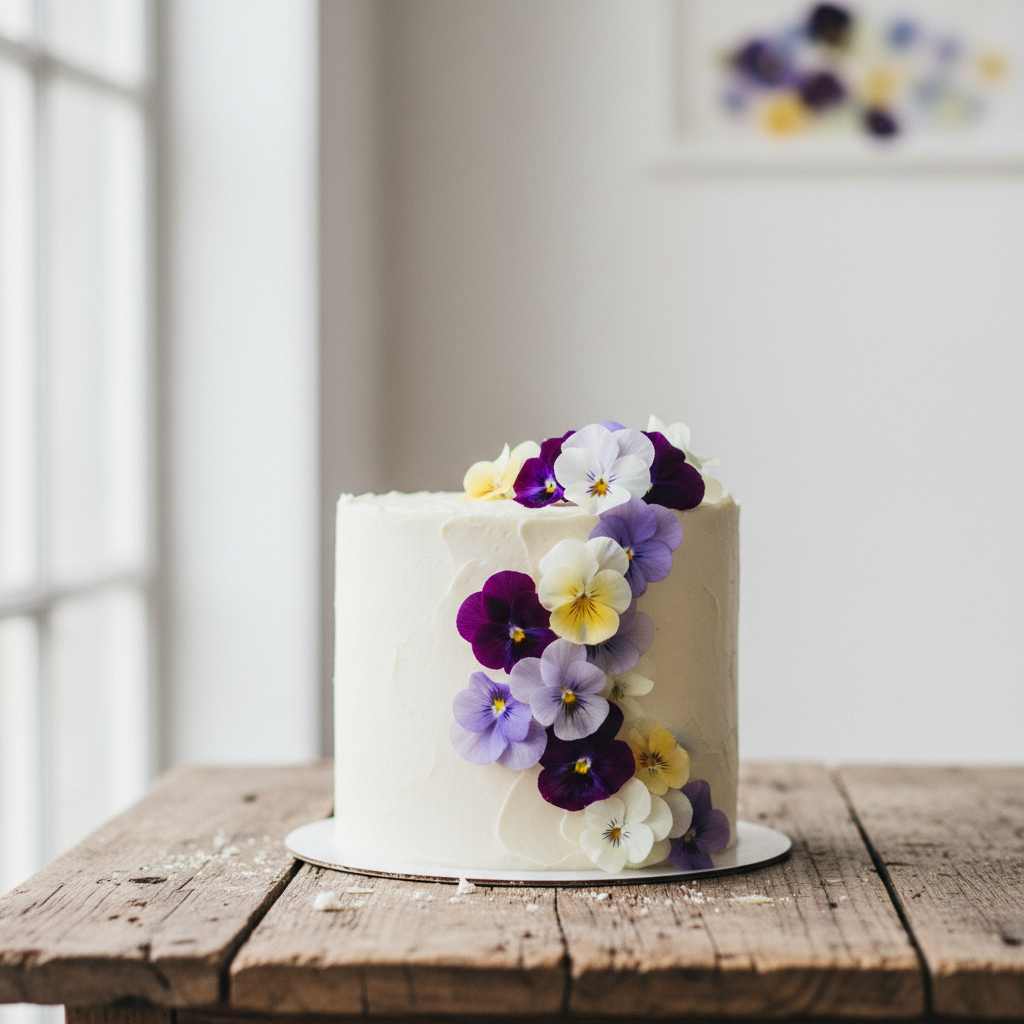
Learn how to safely use edible flowers on cakes, which varieties to avoid, and the best ways to source and prepare blooms for your desserts.
Nature provides us with a stunning palette of colours and textures that go far beyond what can be achieved with buttercream and piping tips. Using real blooms to decorate a cake or a batch of cupcakes instantly elevates the aesthetic, giving it a rustic, sophisticated, or whimsical look depending on the variety chosen. However, the world of floral decoration is not just about aesthetics. Safety is our primary concern in the kitchen, and when we bring elements of the garden onto something meant to be eaten, we must be incredibly careful. Not every flower that looks beautiful in a vase belongs on a dessert. Some can cause mild stomach upsets, while others are genuinely toxic. Understanding which petals are safe to consume and how to source them is the difference between a successful celebration and a guest falling ill.
The first rule of edible flowers is to ensure they are actually edible. There are many common garden varieties that people assume are safe because they smell sweet or look delicate, but they contain natural chemical compounds that are harmful to humans. For example, Lily of the Valley, Foxgloves, and Hydrangeas are frequently seen in wedding bouquets but are highly toxic if ingested. Even if you do not plan on eating the flower itself, placing a toxic stem directly into a soft sponge can allow sap or juices to seep into the cake. Always cross reference your flower choices with a reputable botanical guide or a culinary flower list. If you are ever in doubt about the identity of a flower, it is always better to leave it off the cake.
Sourcing is just as important as the species of the flower. Even a safe flower like a rose can become dangerous if it has been sprayed with systemic pesticides, herbicides, or fungicides. This is why you should never use flowers from a standard commercial florist or a grocery store bouquet for decorating food. These flowers are grown for longevity and visual perfection, often using heavy chemicals that are not food grade. Similarly, picking flowers from the side of a busy road or a public park is risky due to exhaust fumes and animal waste. The safest options are flowers grown specifically for consumption, often labelled as culinary flowers, or those grown in your own organic garden where you know exactly what has been used on the soil and petals.
Among the safest and most popular choices for beginners are violas and pansies. These small, flat faced flowers are incredibly hardy and come in a vast range of colours. They have a very mild, slightly grassy flavour that does not overpower the sweetness of the cake. They are particularly effective when pressed flat against the sides of a tall cake or used to crown a simple lemon drizzle. Another classic choice is the rose. Rose petals are entirely edible and offer a floral, sometimes spicy scent that pairs beautifully with strawberry or vanilla sponges. When using roses, ensure you remove the bitter white base of the petal before serving, as this can be quite astringent.
Lavender and hibiscus offer more distinct flavour profiles along with their visual appeal. Lavender is a favourite at WaraCake for its calming scent and beautiful purple hue. It is important to use culinary lavender, which has a sweeter profile than the more medicinal decorative varieties. Use it sparingly, as too much lavender can make a cake taste like soap. Hibiscus, on the other hand, provides a vibrant pink or red colour and a tart, cranberry like flavour. It works exceptionally well on cakes with citrus undertones or tropical fruit fillings. Both of these flowers can be used fresh or dried, depending on the texture you want to achieve on your frosting.
For those who want a more earthy or herbal touch, calendula and cornflowers are excellent options. Calendula, often called the pot marigold, has bright orange and yellow petals that look like sunshine on a cake. Its flavour is slightly peppery, making it a good match for carrot cakes or spiced sponges. Cornflowers have a stunning, true blue colour that is very rare in the natural world. They are almost flavourless, which makes them the perfect choice for decorators who want the visual impact of a flower without altering the taste profile of their carefully balanced recipes. At WaraCake, we often suggest cornflowers for minimalist white cakes to provide a sharp, clean pop of colour.
Preparation is the final step in ensuring your floral cake is a success. Once you have sourced your organic, edible blooms, you need to clean them gently. You can do this by dipping them in a bowl of cool water to remove any tiny insects or dust, then laying them out on a paper towel to air dry. If you are using flowers with long stems, you should wrap the ends in floral tape or use small plastic flower spikes before inserting them into the cake. This creates a barrier between the plant matter and the food. If you are using particularly delicate flowers, it is best to add them at the last possible minute, as they can wilt quickly once removed from a water source and placed on sugary frosting.
Using nature as your decorator is a rewarding experience that connects baking with the seasons. By prioritising safety, sourcing organic blooms, and learning which species are friendly to the palate, you can create masterpieces that are as safe as they are beautiful.
If you would like a floral cake for your next celebration without the worry of sourcing the right blooms, you can find a range of beautifully decorated options at WaraCake.