Learn the essential steps to transform your favourite large cake recipes into perfectly portioned cupcakes, covering temperature, timing, and batter volume.
The transition from a majestic three layer celebration cake to a tray of dainty cupcakes is more than just a matter of choosing smaller tins. It is an art of scale that allows you to take a beloved birthday staple and turn it into portable, portion controlled treats perfect for an office gathering or a school snack. While the batter might remain largely the same, the physics of the oven and the chemistry of leavening agents behave differently when confined to a small paper liner. Understanding these nuances ensures that your cupcakes turn out as light and moist as the original sponge intended.
Selecting the right recipe for conversion Not every cake recipe is a prime candidate for the cupcake treatment. Recipes that rely on a very liquid batter, such as certain oil based chocolate cakes, tend to work beautifully because they remain moist even with the increased surface area exposure of a cupcake tin. However, extremely delicate cakes like a traditional Chiffon or an Angel Food cake can be temperamental. These cakes often need to climb the ungreased sides of a deep tube pan to achieve their signature height. When placed in a small cupcake liner, they may lack the structural support to rise properly or might collapse once cooled. If you are a beginner, start with a standard butter cake or a pound cake recipe. These sturdier batters are forgiving and hold their shape well in a muffin tray.
Adjusting your oven temperature One of the most common mistakes when converting a recipe is keeping the oven temperature exactly as it was for the large cake. For a standard 9 inch round cake, a temperature of 180 degrees Celsius is typical. When you move to cupcakes, you are dealing with a much smaller volume of batter. Some bakers prefer to increase the temperature by about 10 to 15 degrees to 190 or 195 degrees Celsius. This creates a quick burst of steam that helps the cupcakes dome beautifully in the centre. However, if your recipe is high in sugar, a higher temperature might cause the edges to caramelise and darken before the centre is cooked. If you are unsure, stick to the original temperature but stay vigilant about the internal temperature of the cake.
Calculating the baking time The most significant change you will encounter is the duration the cakes spend in the oven. A standard cake might take anywhere from 30 to 50 minutes to bake through. For cupcakes, that window shrinks dramatically to between 15 and 22 minutes. Because every oven has its own personality and hot spots, it is wise to start checking your cupcakes at the 12 minute mark. You are looking for a light golden colour and a surface that springs back when gently pressed with a finger. Using a toothpick is also reliable; it should come out clean or with just a few moist crumbs. Overbaking is the enemy of the cupcake, as the small size means they can dry out in a matter of seconds once they pass the point of perfection.
Managing the volume of batter Standardising the amount of batter in each liner is the secret to a professional looking batch. If you fill the liners to the brim, the batter will spill over the edges, creating flat, mushroom like tops that are difficult to frost. If you underfill them, they will look diminutive and sad. The general rule is to fill each cupcake liner about two thirds or three quarters of the way full. This leaves enough room for the cake to rise without escaping the paper. To ensure consistency, use a mechanical ice cream scoop or a large spoon to measure the batter. A standard 9 inch two layer cake recipe usually yields between 24 and 30 standard sized cupcakes. This knowledge helps you prepare your tins in advance so you do not have batter sitting out waiting for a second round in the oven.
Adapting the leavening agents While you can often get away with using the exact measurements from the original recipe, some bakers find that cupcakes benefit from a slight increase in baking powder. Because cupcakes move from raw to cooked so quickly, they have less time to develop a structure. A tiny bit of extra lift can prevent them from looking flat. However, proceed with caution. Too much leavener will cause the cupcakes to rise rapidly and then sink in the middle as they cool. If the original recipe is solid and reliable, it is usually best to keep the leavening agents the same and focus on your folding technique to keep as much air in the batter as possible.
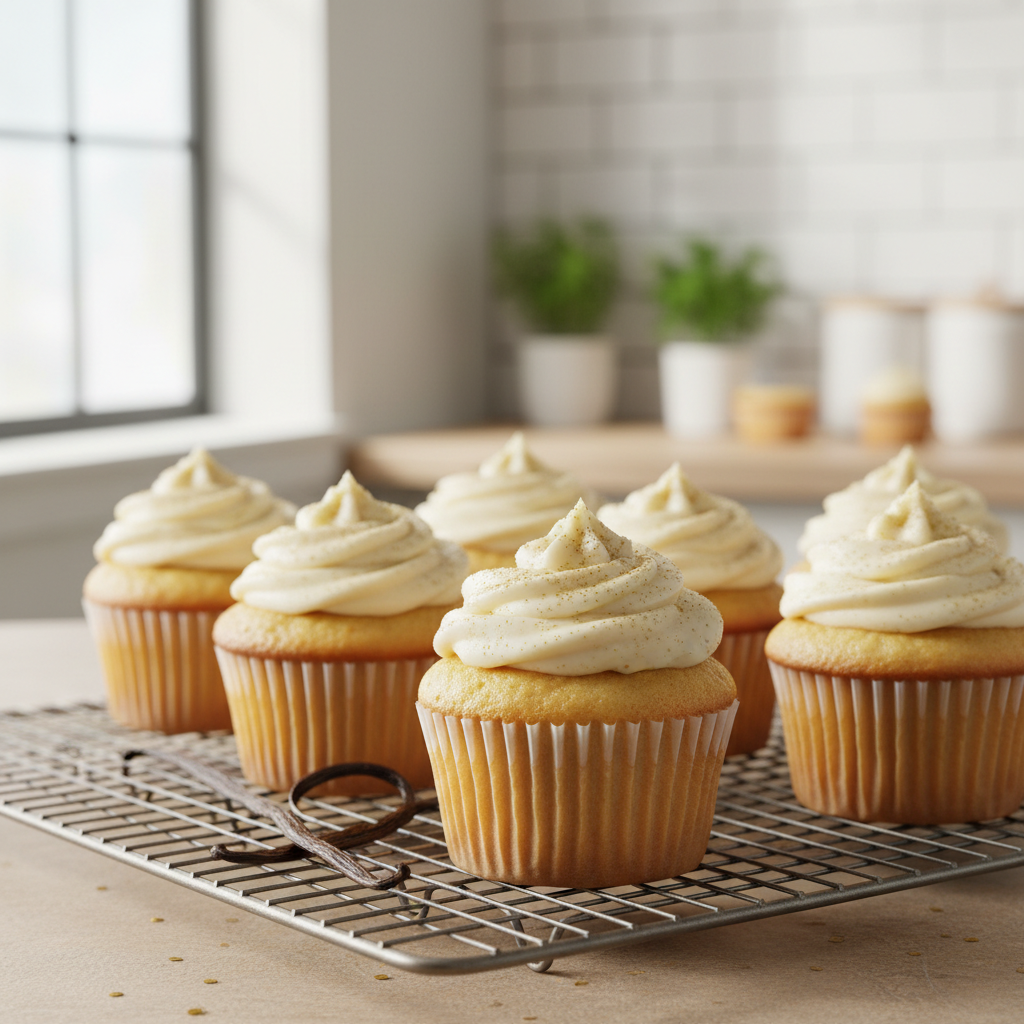
Cooling and finishing your batch Once the cupcakes are out of the oven, do not leave them in the hot metal tin for more than five minutes. The residual heat from the pan will continue to bake the cakes, which often leads to dry bottoms or liners that peel away from the sponge. Transfer them to a wire cooling rack as soon as they are stable enough to move. This allows air to circulate around the entire cupcake, preventing steam from making the wrappers soggy. Wait until they are completely cool to the touch before you even think about reaching for the frosting. Warm cupcakes will melt your buttercream, resulting in a messy glaze rather than a beautiful swirl.
When you are looking for inspiration for your next baking project, browsing the designs at WaraCake can give you plenty of ideas for flavours and decorations. Taking the time to master the conversion process means you can enjoy your favourite flavours in any format you choose.
If you would rather let the professionals handle the baking for your next event, you can find a wide variety of delicious options at WaraCake. We offer everything from classic sponges to elaborate cupcakes delivered right to your door.